
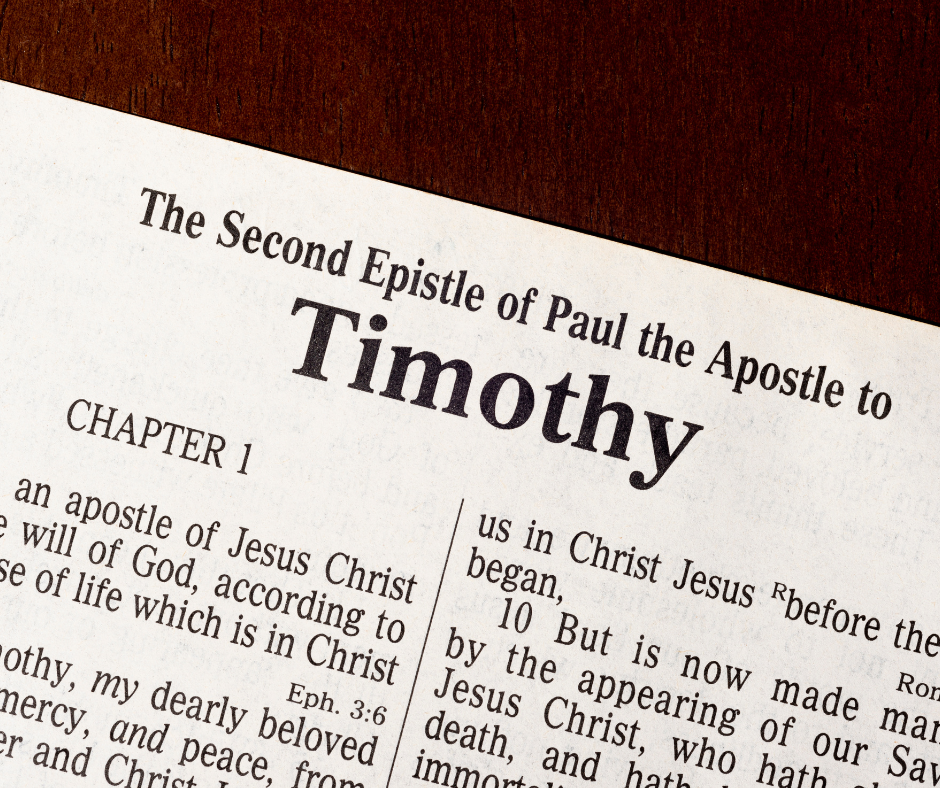
The Second Epistle to Timothy is Paul’s most personal, poignant, and final preserved letter, a spiritual testament written from the shadow of death. Unlike his earlier correspondence, which often addresses churches or broader pastoral concerns, 2 Timothy is written to a beloved coworker at a moment of grave personal and ecclesial crisis. The apostle writes as a prisoner, isolated, abandoned by many, and fully aware that his earthly ministry is drawing to a close. Yet the letter is not marked by despair. Instead, it radiates resolve, clarity, and unshaken confidence in the faithfulness of God.
Second Timothy stands as a call to perseverance in ministry when circumstances grow hostile and the cost of faithfulness becomes unmistakably clear. Paul writes to strengthen Timothy’s courage, to urge him to guard the gospel entrusted to him, and to prepare him for a future in which suffering and opposition will be normal features of faithful service. The letter is both intensely personal and profoundly instructive, offering timeless guidance for ministers and believers who must remain steadfast amid decline, desertion, and growing resistance to the truth.
I. Authorship, Recipient, and Setting
The letter identifies Paul as its author and Timothy as its recipient, a claim supported by early Christian testimony and by the deeply personal nature of the correspondence. Timothy had long been Paul’s trusted coworker, having served alongside him across multiple missionary journeys and having received significant responsibility within the churches of Asia Minor. By the time of this letter, Timothy was likely ministering in Ephesus or the surrounding region, facing challenges that demanded both courage and discernment.
Second Timothy was written during Paul’s second Roman imprisonment, likely around A.D. 66–67, under circumstances far more severe than his earlier confinement. Unlike the house arrest described at the end of Acts, Paul now writes as one treated as a criminal, held in harsh conditions, and expecting imminent execution. He speaks openly of his chains, his isolation, and the reality that “the time of my departure is at hand.”
The setting of the letter is thus one of urgency and finality. Paul is no longer planning future missionary journeys or hoping for release. Instead, he is passing the torch, entrusting the continuation of faithful ministry to Timothy and to those who will follow after him.
II. Purpose and Occasion of the Letter
Paul writes 2 Timothy with several interwoven purposes, all shaped by the awareness that his life and ministry are nearing their end. Foremost, he seeks to encourage Timothy to remain faithful to the gospel despite mounting opposition. Paul recognizes that the Church is entering a season marked by false teaching, moral decline, and resistance to sound doctrine. He therefore urges Timothy to stand firm, to endure hardship, and to proclaim the word without compromise.
Another central purpose of the letter is to exhort Timothy to guard the apostolic message entrusted to him. Paul emphasizes the importance of preserving the truth and passing it on to faithful individuals who will be able to teach others also. This concern reflects Paul’s deep awareness that the future health of the Church depends on the faithful transmission of the gospel, not merely on institutional continuity or numerical growth.
Paul also writes to prepare Timothy emotionally and spiritually for suffering. He does not minimize the cost of ministry or offer false reassurance. Instead, he presents suffering as an expected and honorable aspect of faithful service, drawing on his own experiences as an example. His exhortations are realistic yet hopeful, grounded in the conviction that God’s purposes will not fail even when His servants are weak.
Finally, Paul writes with personal longing. He asks Timothy to come to him quickly, mentions companions who have remained faithful, and recalls others who have deserted him. These personal notes reveal the human cost of ministry and the loneliness that can accompany faithfulness, even as they underscore Paul’s unwavering trust in the Lord.
III. Literary Features and Structural Observations
Second Timothy is marked by emotional intensity, urgency, and clarity. The letter alternates between personal reflection, pastoral exhortation, and solemn warning. Paul writes with the authority of an apostle and the tenderness of a mentor, weaving together encouragement and command in a manner that reflects the gravity of the moment.
One of the most striking features of the letter is its emphasis on endurance. Paul repeatedly calls Timothy to remain steadfast: to endure hardship, to persist in teaching, and to fulfill his ministry fully. These exhortations are reinforced by vivid imagery drawn from everyday life, including the soldier, the athlete, and the farmer, each illustrating aspects of disciplined, faithful service.
Another defining characteristic is the letter’s sober assessment of the times. Paul warns Timothy of increasing opposition to the truth and of people who will turn away from sound teaching in favor of what suits their desires. This realism gives the letter a prophetic tone, preparing Timothy—and future readers—for the challenges that accompany ministry in a fallen world.
The structure of the letter reflects its testamentary character. Paul looks backward, recalling his own faithfulness and sufferings; he looks outward, warning of present and future dangers; and he looks forward, entrusting the gospel to the next generation. This threefold orientation gives the letter both urgency and hope.
IV. Historical Reliability and Canonical Importance
The historical credibility of 2 Timothy is reinforced by its coherence with Paul’s life and ministry as known from Acts and the other epistles. Its depiction of Paul’s imprisonment, references to coworkers, and acknowledgment of desertion and hardship align with the realities of persecution under Roman authority in the mid-first century. The letter’s authenticity was recognized early and consistently by the Church, which received it as a faithful and authoritative witness of apostolic teaching.
Canonically, 2 Timothy holds a unique place as Paul’s final preserved letter. It provides invaluable insight into the apostle’s final reflections, priorities, and hopes. The epistle has shaped the Church’s understanding of perseverance, faithfulness, and the responsibility of passing on the gospel. Its emphasis on Scripture, endurance, and faithful ministry has made it a foundational text for pastoral theology and Christian leadership.
Throughout church history, 2 Timothy has been read as a call to courage in times of decline and opposition. Its words have strengthened believers facing persecution, isolation, and discouragement, reminding them that faithfulness is measured not by success or approval, but by obedience to Christ.
V. Paul’s Relationship with Timothy
Paul’s relationship with Timothy reaches its fullest expression in this final letter. He addresses Timothy with affection and confidence, reminding him of his calling, his gifts, and the faith passed down through generations. Paul’s encouragement is both personal and purposeful, aimed at strengthening Timothy for the responsibilities that lie ahead.
At the same time, Paul does not shield Timothy from the reality of hardship. He speaks candidly about suffering, abandonment, and the cost of standing for the truth. Yet these warnings are framed by assurance that God remains faithful, that the gospel endures, and that the Lord will reward those who serve Him faithfully.
This relationship exemplifies the continuity of faithful ministry across generations. Paul entrusts Timothy with the gospel not as a burden but as a sacred trust, calling him to carry forward the work that Paul himself has finished.
VI. Conclusion
The Second Epistle to Timothy stands as a solemn and stirring call to faithfulness at any cost. Written from a prison cell and shaped by the awareness of impending death, it reveals the heart of an apostle who has finished his course and remained true to his calling. Paul’s words summon Timothy—and all who read them—to guard the gospel, endure hardship, and proclaim the truth without compromise.
To study 2 Timothy is to hear the voice of a faithful servant passing on the charge entrusted to him. It is a letter that prepares the Church for difficult times, strengthens believers to stand firm, and anchors hope not in human success, but in the righteous Judge who remains faithful to the end.