
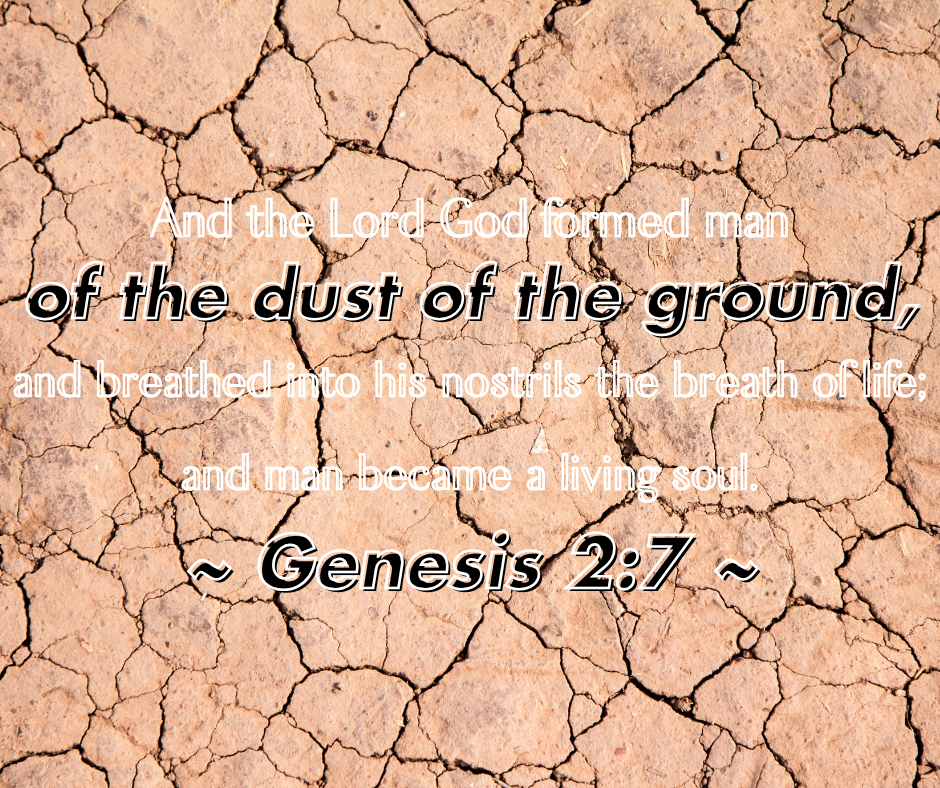
Christian Science teaches that matter is not real—that it is an illusion, a false perception rooted in error rather than truth. This worldview, founded by Mary Baker Eddy, holds that God, being entirely spiritual, could not and did not create anything material. In Science and Health with Key to the Scriptures, Eddy argues, “It must be a lie, for God presently curses the ground” (p. 524), referring to Genesis 3:17 where God pronounces judgment upon the earth: “Cursed is the ground for thy sake.” Based on such logic, Christian Scientists reject the plain, literal meaning of Genesis 2:7, which says, “And the Lord God formed man of the dust of the ground, and breathed into his nostrils the breath of life; and man became a living soul.”
This rejection is not a harmless doctrinal quirk—it strikes at the very heart of biblical anthropology and the doctrine of creation. The Bible clearly affirms the reality of matter and the material world as the good and intentional work of God. In Genesis 1, God repeatedly declares His creation “good,” and by the end of the sixth day, after creating man in His image, He pronounces it “very good” (Genesis 1:31). The material world—including the human body—is not illusory or irrelevant; it is the product of divine craftsmanship.
Genesis 2:7 teaches that man is a unified being comprised of both physical and spiritual elements: the dust of the ground (body) and the breath of life (spirit). The “dust” is not symbolic of some immaterial concept; it is a reference to actual physical substance. To interpret it otherwise is to force a foreign worldview onto the biblical text.
The truth of man’s material origin is further reinforced in God’s words of judgment after the Fall: “In the sweat of thy face shalt thou eat bread, till thou return unto the ground; for out of it wast thou taken: for dust thou art, and unto dust shalt thou return” (Genesis 3:19). This statement affirms that the physical body was taken from the physical earth and, in death, returns to it. This is not metaphor but divine explanation. Similarly, Ecclesiastes 12:7 confirms this dual nature of man: “Then shall the dust return to the earth as it was: and the spirit shall return unto God who gave it.” The human person is both body and spirit—not body as illusion and spirit as the only reality, but both made by God for His glory.
To deny the material aspect of human nature is to undermine not only creation but redemption. The incarnation of Christ—the eternal Son taking on flesh—is central to the gospel. John 1:14 declares, “And the Word was made flesh, and dwelt among us.” Jesus did not appear to be human; He was human, with a real body. After His resurrection, He told His disciples, “Behold my hands and my feet, that it is I myself: handle me, and see; for a spirit hath not flesh and bones, as ye see me have” (Luke 24:39). If matter were illusory, the incarnation would be impossible. But Scripture teaches that God took on a physical body to redeem both soul and body, and that believers await “the redemption of our body” (Romans 8:23) in the resurrection.
In contrast, Christian Science denies the essential goodness of matter and the physical body, thereby contradicting the plain teaching of Scripture. Its view not only reinterprets Genesis but also renders key doctrines—creation, incarnation, resurrection, and bodily return of Christ—meaningless or metaphorical. A worldview that redefines matter as illusion is incompatible with biblical Christianity.
In conclusion, the Word of God affirms without ambiguity that matter is real, that the human body is created by God, and that the physical and spiritual dimensions of man together form the whole person. The biblical record does not support the idea that matter is unreal; rather, it declares that God created both the material and immaterial realms and called them good. Any teaching that denies the reality of the physical world ultimately denies the authority of Scripture, the nature of Christ, and the hope of resurrection.
corrected: (delete the other post!)
But then, what about the 1st chapter of Genesis where Man is “made in God’s image”? And if God is Love, then Mankind is made in the “image” of Love. What is this “image” in Genesis One, then? God is totally spiritual, even if s/he/it made material bodies of all living things. HOW are we the “image” of God? Please explain.
Is it that our spirituality is in the image of that wholly spiritual God, but that we are “encased” in our vehicle called “body” – just as every living thing that we see with our eyes is indeed “outfitted” with a material body?– that God made?
And Christian Science healing comes as a result of focusing on the baptisimal waters of the spiritual-only (while taking common sense precautions or material comforts in the face of illness). The focus is diverted to Spirit more than the material. Hence healing may happen. The ESSENTIAL Reality is Spiritual , I would say, more than matter being simply a flat-out “illusion”-only. Matter may seem to be “illusory” or inaccurate (e.g., a mirage), which is a figment of our thought. But does it follow that all matter is a figment of our thought, then? Maybe yes, maybe no, maybe both…
Matter is somewhat “non-essential”, though, while focusing on the Spiritual. And MBEddy does say that through her “method”, she heals the physical body–acknowledging the body / matter in that way. But God/Love is All…. (the meaningful Essence?!)
Your thoughts…and what you think about our “being made in the image and likeness of God” – God who is totally spiritual. What is the “image” then? Is that phrase translated accurately?!
Your reply is welcomed and sought! (You have the email below). Thank you kindly!
Thank you for the thoughtful and sincere response. I appreciate the way you’re wrestling with the question rather than simply dismissing it.
When Genesis says that mankind was made in the “image” and “likeness” of God, I don’t understand that to mean God has a physical body and that humans physically resemble Him in that sense. Jesus plainly said, “God is a Spirit” (John 4:24). So, the image of God must include spiritual, moral, rational, relational, and vocational realities. We’re made to know God, commune with God, reflect something of His character, exercise moral responsibility, love, reason, worship, and steward His creation under His authority.
That’s why, in my post “Final Analysis of the Image of God,” I argued that the image of God shouldn’t be reduced to only one narrow meaning. It includes humanity’s unique attributes, our relational capacity, our calling to represent God in creation, and ultimately our restoration in Christ, who is the perfect image of God. In other words, being made in God’s image doesn’t require us to say that God is material. But neither does it require us to say that matter is unreal.
As you noted, Genesis 1 tells us man is made in God’s image. Genesis 2:7 tells us how God formed man: “of the dust of the ground,” then breathed into him “the breath of life.” So, the biblical picture isn’t that man is a spirit merely trapped inside a disposable body, as though the body were just a temporary shell or illusion. Nor is man merely a body. Man is an embodied soul, a unified creature made by God with both material and immaterial dimensions.
That distinction matters. The body isn’t the image of God by itself, but the body is still part of the person God made. Scripture doesn’t treat the body as a meaningless costume. God formed Adam’s body. God called creation good. God judged bodily death as a real consequence of sin. Christ took on real flesh. Christ rose bodily from the dead. Believers await the redemption of the body, not escape from embodiment altogether.
So, when you ask whether our spirituality is in the image of the wholly spiritual God while we are “encased” in a body, I would slightly adjust that language. I would say our spiritual nature is certainly central to the image of God, but we’re not merely encased in bodies like drivers inside vehicles. Biblically, the body is part of God’s good design for human nature. We’re embodied image-bearers.
Regarding God as Love, I would agree that mankind was created to reflect God’s love. But “God is love” does not mean “love” is an abstract spiritual essence that replaces the personal God of Scripture. God is personal, holy, righteous, wise, sovereign, and loving. We image Him not by becoming divine, but by reflecting His character creaturely, especially in love, holiness, truth, fellowship, and obedience.
On Christian Science healing, I certainly agree that spiritual focus, prayer, trust in God, peace, and turning the heart toward divine truth can have profound effects. Christians should absolutely look to God in sickness. But biblical healing doesn’t require us to minimize the reality of the body or treat matter as nonessential. When Jesus healed the sick, He didn’t heal them by saying sickness was merely a mistaken perception. He touched real lepers, opened real blind eyes, raised real dead bodies, and after His resurrection invited His disciples to handle Him and see that He had “flesh and bones” (Luke 24:39).
That’s where I think Christian Science departs from biblical Christianity. The issue isn’t whether spiritual reality is greater than material reality. I gladly affirm that God is ultimate, eternal, and supreme, while the material creation is dependent, temporary in its present fallen condition, and upheld by Him. The issue is whether matter is truly part of God’s good creation. Scripture says yes.
So, to answer your main question: the “image of God” in Genesis 1 isn’t a crude physical resemblance to God. The translation is sound. The phrase teaches that humanity uniquely reflects and represents God among earthly creatures. But Genesis 1 doesn’t cancel Genesis 2. The same human being made in God’s image is also formed from the dust of the ground. Therefore, the biblical answer isn’t spiritual-only man, nor material-only man, but whole man: body and spirit created by God, fallen through sin, and redeemed through Christ.
That’s also why the incarnation and resurrection are so important. If matter were ultimately unreal or merely illusory, the Word becoming flesh would lose its meaning. But because the body is part of God’s design, Christ truly took on flesh, truly died, truly rose bodily, and will redeem His people completely, soul and body together.
I hope I’ve answered your questions clearly and adequately. If anything remains unclear, or if you have any further questions, please feel free to let me know. Thank you!