
Throughout history, numerous religions and philosophical worldviews have proposed that humans can attain godhood or achieve a status equal to God. This idea manifests in various forms, including mystical enlightenment, spiritual evolution, or divine favor. Some traditions teach that human souls are inherently divine and can be reunited with the ultimate reality, while others assert that individuals can progress toward literal godhood. Though these views differ in their specifics, they share a common theme: the belief that humanity is capable of transcending its natural limitations to become divine.
This concept stands in direct contrast to biblical teaching, which affirms that God alone is eternal, all-powerful, and sovereign. From the deception of Satan in the Garden of Eden to modern religious movements, the desire to become like God has remained a persistent temptation.
The Free Spirit Movement (13th–14th Centuries)
During the late medieval period, a mystical sect known as the Brethren of the Free Spirit arose in parts of Germany, France, and the Low Countries. This movement, influenced by Christian mysticism and esoteric thought, proposed that the highest level of spiritual enlightenment led to a state of “divine rest,” in which a person became equal to God.
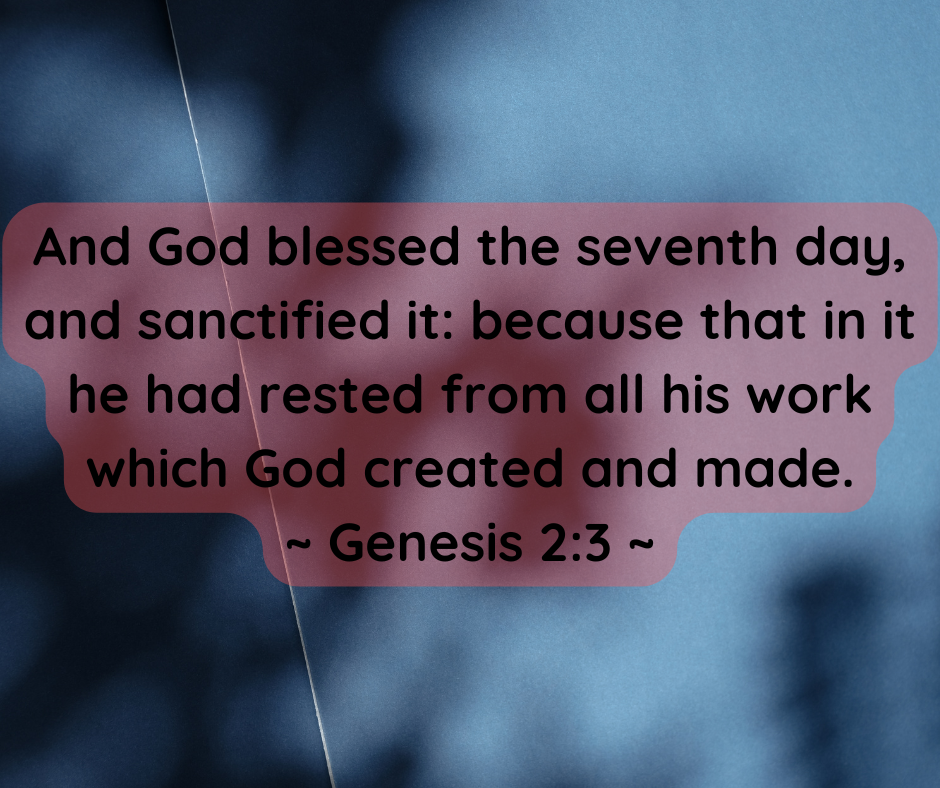
The Brethren of the Free Spirit interpreted Genesis 2:1-3 as support for their beliefs, suggesting that just as God rested on the seventh day, spiritually perfected individuals could enter a state of divine completion. This belief led some followers to claim total spiritual autonomy, rejecting ecclesiastical authority and even moral laws, believing they had transcended human limitations. The movement was eventually condemned as heretical by the Catholic Church, yet its ideas of divine union and spiritual self-sufficiency influenced later mystical traditions (Lerner, 1991).
Mormonism and the Doctrine of Exaltation
The Church of Jesus Christ of Latter-day Saints (LDS) teaches the doctrine of exaltation, which holds that faithful Mormons can become gods in the afterlife. This belief is concisely expressed in the famous statement by former LDS prophet Lorenzo Snow:
“As man now is, God once was; as God now is, man may be” (Snow, 1984, p. 2).
According to Mormon theology, God Himself was once a mortal man who progressed to divine status. In turn, human beings, through obedience to divine commandments, temple ordinances, and eternal progression, can attain a god-like existence. While Latter-day Saints do not believe they will replace God the Father, they maintain that exalted individuals will have their own divine dominion, creating and governing worlds (Smith, 1976, pp. 345-346).
This doctrine stands in stark contrast to the biblical teaching that God is uncreated, eternally supreme, and fundamentally distinct from His creation. The Bible emphasizes that human beings, while created in the image of God (Genesis 1:27), are finite and dependent on Him for salvation.
Hinduism and the Concept of Moksha
Hinduism presents a different perspective on human divinity through the concept of moksha, or liberation from the cycle of rebirth (samsara). Many Hindu traditions teach that the individual soul (Atman) is ultimately one with Brahman, the supreme, unchanging divine reality. In this view, achieving moksha is not about becoming a separate god but rather realizing one’s inherent unity with the divine.
Various Hindu philosophies interpret this concept differently. Advaita Vedanta, for example, teaches a non-dualistic understanding in which the distinction between the individual self and God is an illusion. Through meditation, self-discipline, and enlightenment, a person comes to understand their true nature as divine. This perspective contrasts with the biblical view of God as a personal, distinct being who maintains a clear separation from His creation (Shankara, 1978).
Gnosticism: Ancient and Modern Forms
The ancient heresy of Gnosticism, which flourished in the early centuries of Christianity, taught that humanity contains a divine spark imprisoned within the corrupt material world. According to Gnostic thought, the physical body and the universe itself were created not by the true, supreme God but by a lower, ignorant, and even malevolent deity known as the Demiurge. As a result, the material world was viewed as inherently flawed and oppressive. True salvation, in Gnostic belief, was not found in faith, repentance, or divine grace but through gnosis—a secret, esoteric knowledge that enabled the soul to transcend the physical realm and reclaim its lost divinity.
Gnostic teachings were widely condemned by early church theologians such as Irenaeus, Tertullian, and Hippolytus, as they directly contradicted the biblical doctrines of creation, the incarnation of Christ, and salvation by grace through faith. Christianity affirms that the material world was created good by a sovereign and loving God (Genesis 1:31) and that salvation comes not through secret enlightenment but through the redemptive work of Jesus Christ (Ephesians 2:8-9). Despite these fundamental contradictions, Gnostic thought has persisted throughout history and has seen a revival in various modern esoteric and spiritual movements (Schaff, 1885).
Today, Gnostic ideas often blend with New Age spirituality, which promotes the belief that humans can attain divinity through enlightenment, spiritual awakening, or hidden knowledge. Drawing from Eastern mysticism, Western esotericism, and self-actualization psychology, these teachings emphasize self-deification, suggesting that each person has an innate, god-like potential waiting to be unlocked (Barnstone & Meyer, 2009). Rather than acknowledging humanity’s dependence on God, these philosophies encourage self-exaltation and personal transformation as the path to divinity.
Similarly, some occult traditions, such as Theosophy and certain branches of Hermeticism, claim that humanity is evolving into divine beings. These beliefs center on spiritual evolution, the awakening of higher consciousness, and the pursuit of mystical knowledge (Steiner, 1994), all of which mirror the ancient Gnostic notion that salvation comes through secret wisdom rather than faith in Christ. These movements continue to spread the same deception that was present in the Garden of Eden, where the serpent promised Eve, “Ye shall be as gods, knowing good and evil” (Genesis 3:5). However, Scripture consistently warns against the pride of seeking divinity apart from God, emphasizing instead that He alone is supreme, eternal, and unchanging (Isaiah 43:10).
The Biblical Response to Human Divinity
The Bible unequivocally rejects the idea that humans can become equal with God. From the very beginning, Satan’s deception in the Garden of Eden centered around this false promise. In Genesis 3:5, the serpent tempts Eve by saying:
“For God doth know that in the day ye eat thereof, then your eyes shall be opened, and ye shall be as gods, knowing good and evil.”
This lie led to the fall of humanity, resulting in sin, death, and separation from God. The desire to become divine, rather than submitting to the one true God, has been at the root of rebellion ever since.
Scripture consistently affirms God’s uniqueness and supremacy. Isaiah 43:10 declares:
“Before me there was no God formed, neither shall there be after me.”
Isaiah 14:12-15 warns against the pride of Lucifer, who sought to elevate himself to God’s level but was cast down in judgment. Instead of striving for divinity, believers are called to humility and dependence on God. The true path to eternal life is not through self-exaltation but through faith in Jesus Christ, who alone is the way, the truth, and the life (John 14:6).
Conclusion
The desire for divinity is an ancient and persistent deception, yet the Bible makes it clear that God alone is sovereign, eternal, and unchanging. While many religious and spiritual movements teach some form of human divinization, Scripture calls us to humility, repentance, and trust in God’s grace. Rather than seeking to elevate ourselves to godhood, we are called to worship and serve the one true God, who offers us eternal life through Jesus Christ.