
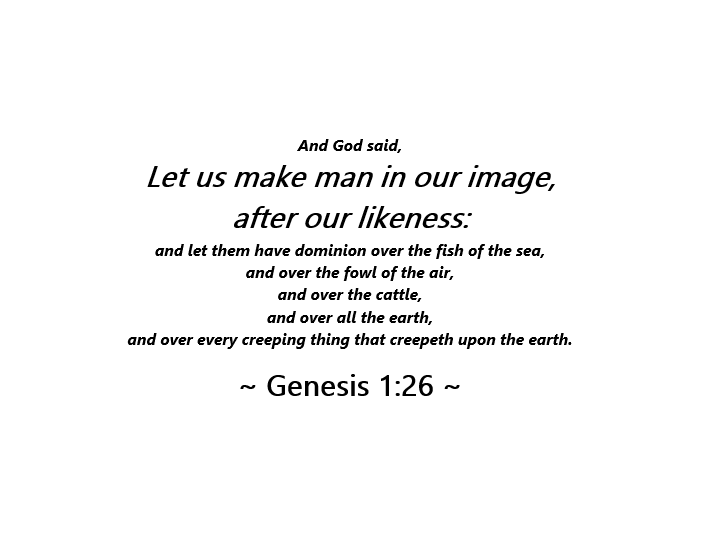
Spiritism, rooted in the teachings of Allan Kardec, offers a distinct interpretation of the Biblical concept of being made in the “image of God.” This interpretation frames the “image of God” as fundamentally spiritual and moral, emphasizing humanity’s potential for intellectual and ethical advancement through successive incarnations.
Key Aspects of Spiritism’s Interpretation
Divine Attributes
Spiritists interpret the “image of God” not as a physical resemblance but as a reflection of divine attributes that humans share with God. These attributes include:
- Intelligence: The ability to think, reason, and understand.
- Free Will: The power to make choices and take moral responsibility for actions.
- Capacity for Moral Growth: An inherent potential to develop virtues such as love, compassion, and justice.
According to Spiritism, these shared attributes enable humans to gradually ascend toward God’s moral and intellectual perfection.
Progressive Perfection
Spiritists believe human spirits are created simple and ignorant, without prior moral development. Over time, these spirits evolve through a series of incarnations, refining their understanding and character. Each life offers opportunities to learn and grow, moving closer to the ultimate goal of moral and spiritual perfection. This view emphasizes a long-term process of self-improvement, where individuals bear responsibility for their own spiritual advancement.
Impersonal God
Unlike the Christian understanding of God as a personal, relational being, Spiritism views God in more abstract terms. God is seen as a universal intelligence, the source and sustainer of all life, and the ultimate moral lawgiver. While this conception of God underscores divine omnipresence and sovereignty, it diminishes the sense of a personal relationship between God and humanity.
Moral Emphasis
The “image of God” serves as a moral ideal rather than a definitive state of being. Spiritists argue that humans are not born fully reflecting God’s image but must strive to embody it. Growth in love, wisdom, and compassion is seen as essential to aligning with the divine image, achieved through individual effort and the cumulative lessons of multiple lifetimes.
Critique of the Spiritist Interpretation
From a Biblical perspective, the Spiritist interpretation of Genesis 1:26 diverges significantly from the scriptural and theological framework of the Bible.
Biblical Context
Genesis 1:26–27 declares that humans were created in the image and likeness of God, a unique attribute distinguishing humanity from all other creation. This image is bestowed as an intrinsic quality of human nature, not an attribute to be achieved over time. The Bible emphasizes that humanity’s creation in God’s image reflects God’s sovereign act and design, not the result of progressive self-improvement.
Creation as Complete
Genesis 1:31 states, “And God saw every thing that he had made, and, behold, it was very good.” This affirmation highlights the completeness and goodness of creation, including humanity. It does not imply that humans were created in a state of moral or spiritual ignorance needing to evolve through multiple lifetimes. The Biblical narrative of the fall in Genesis 3 explains the introduction of sin and the need for redemption, not a process of reincarnated perfection.
Personal God
The God of the Bible is personal and relational, actively involved in the lives of His people. He desires a relationship with humanity, as demonstrated in passages like John 3:16 and Psalm 23. Spiritism’s view of God as an impersonal force is inconsistent with the Biblical portrayal of God’s intimate and covenantal interactions with humanity.
Reincarnation Rejected
The Bible unequivocally teaches that human life is followed by judgment, not reincarnation. Hebrews 9:27 states, “And as it is appointed unto men once to die, but after this the judgment.” Salvation and moral transformation are presented as attainable through faith in Jesus Christ, not through successive incarnations or personal effort (Ephesians 2:8–9).
Christ-Centered Salvation
Spiritism’s reliance on self-improvement through reincarnation diminishes the centrality of Christ’s atoning work. The Bible teaches that humanity’s restoration to God’s image is achieved through the redemptive work of Jesus Christ, who renews believers in righteousness and holiness (Colossians 3:10).
Comparison of Spiritism and Biblical Interpretations
| Aspect | Spiritism Interpretation | Biblical Interpretation |
| Nature of God | Impersonal, universal intelligence | Personal, relational Creator |
| Meaning of “Image of God” | Moral and intellectual potential to evolve spiritually | Intrinsic dignity, moral and spiritual likeness to God |
| Human Creation | Spirits created simple and ignorant, evolving over time | Humans created fully in God’s image, inherently “very good” |
| Salvation | Achieved through reincarnation and personal effort | By grace through faith in Jesus Christ (Ephesians 2:8–9) |
| Afterlife | Reincarnation for spiritual growth | Eternal life or judgment (Hebrews 9:27; John 3:16) |
| Moral Emphasis | Growth in love, wisdom, and compassion through experience | Obedience to God’s commandments and Christ-like transformation |
Summary of the Spiritism View
The Spiritist interpretation of Genesis 1:26 emphasizes spiritual evolution, portraying the “image of God” as a moral ideal to be achieved through successive lifetimes of self-improvement. It views God as an impersonal force and humanity as spirits progressing toward perfection through reincarnation.
In contrast, the Biblical interpretation understands the “image of God” as an intrinsic quality bestowed upon humanity at creation, reflecting God’s moral, spiritual, and relational nature. The Bible highlights a personal, covenantal relationship between God and humanity, achieved through faith in Jesus Christ. It rejects the concept of reincarnation, affirming that human life is followed by eternal judgment or reward.
Ultimately, the Spiritist view diverges sharply from the Biblical worldview, offering an interpretation incompatible with the scriptural teachings on creation, salvation, and the nature of God.