
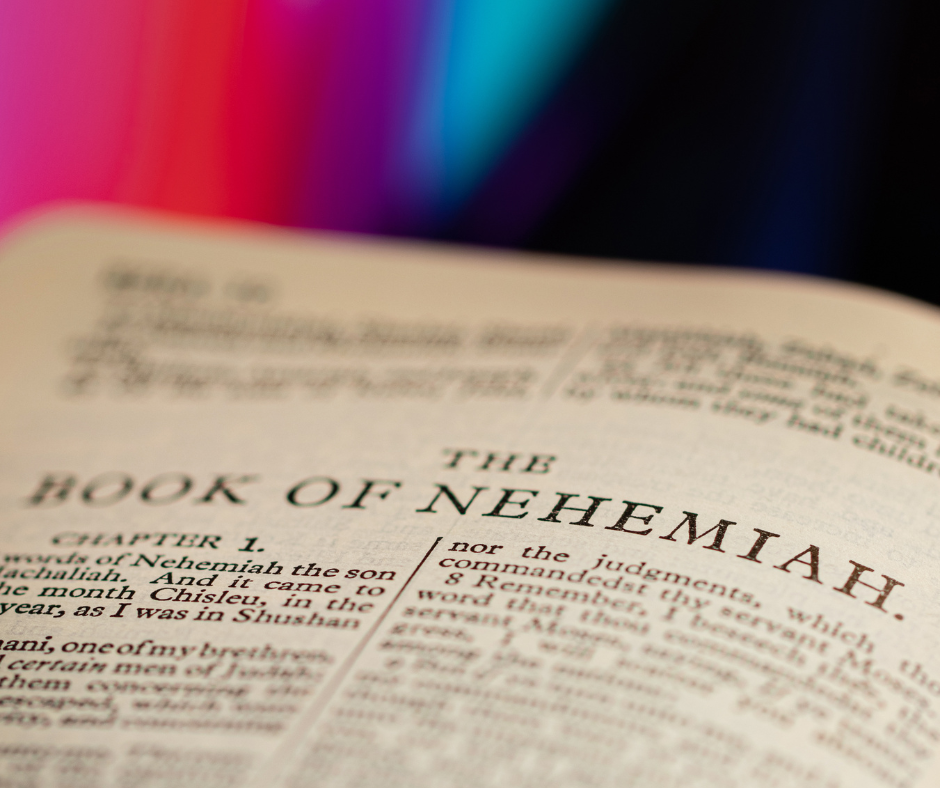
The book of Nehemiah stands as one of Scripture’s most compelling portraits of leadership, perseverance, and spiritual renewal. It is the final historical narrative of the Old Testament, completing the story that began in Chronicles and continued through Ezra. While Ezra records the rebuilding of the Temple and the restoration of worship, Nehemiah recounts the rebuilding of Jerusalem’s walls and the restoration of the community’s moral and spiritual life. Together, these two books reveal that true revival requires both a dwelling place for God and a people devoted to His Word.
I. Historical Setting
The events of Nehemiah take place around 445–430 B.C., nearly a century after the first exiles returned from Babylon. Though the Temple had been rebuilt under Zerubbabel and worship reestablished under Ezra, Jerusalem itself remained vulnerable, its walls broken and gates burned. This physical ruin symbolized a deeper spiritual fragility. God raised up Nehemiah, a Jewish cupbearer in the Persian court of King Artaxerxes I, to lead the third return to Jerusalem. With the king’s permission, Nehemiah left his position of privilege in Susa to become a reformer and restorer in the ruins of his ancestral city.
II. Authorship and Relationship to Ezra
Jewish and Christian tradition alike affirm Nehemiah as the author of the book that bears his name, though the final composition may have been compiled with Ezra into a unified work. Indeed, early Hebrew manuscripts treated Ezra–Nehemiah as a single scroll. The memoir sections of Nehemiah (notably the recurring prayer “Remember me, O my God…”) bear the marks of firsthand narrative: personal, prayerful, and profoundly sincere. The book was likely completed around 430 B.C., making Nehemiah one of the final inspired writers of the Old Testament era.
III. Structure and Content
The book of Nehemiah divides neatly into two major sections:
- Rebuilding the Walls (Chapters 1–7):
- Nehemiah’s Burden and Prayer (1:1–11): Upon hearing of Jerusalem’s desolation, Nehemiah weeps, fasts, and prays, a model of intercessory leadership.
- Royal Commission and Return (2:1–20): God grants Nehemiah favor before Artaxerxes, illustrating divine sovereignty over kings.
- Reconstruction Amid Opposition (3:1–6:19): Nehemiah rallies the people to rebuild despite ridicule, threats, and internal discord. The wall is completed in fifty-two days, testifying that “this work was wrought of our God” (6:16).
- Census and Restoration of the Community (7:1–73): The returning exiles are recorded by genealogy, affirming the continuity of God’s covenant people.
- Rebuilding the People (Chapters 8–13):
- Spiritual Renewal under Ezra (8:1–18): Ezra reads the Law aloud, and the people respond with repentance and worship, a revival grounded in the Word.
- Confession and Covenant Renewal (9:1–10:39): The nation publicly confesses its sins and renews its covenant to obey God’s commands.
- Repopulation and Dedication (11:1–12:47): Jerusalem is repopulated, the wall is dedicated with rejoicing, and worship is restored in purity and order.
- Final Reforms (13:1–31): Nehemiah confronts lingering compromise—foreign marriages, neglect of the Sabbath, and defilement of the Temple—showing that reform requires continual vigilance.
IV. Themes and Theology
At its heart, Nehemiah is a book about renewal through faith, obedience, and steadfast leadership. Its key theological themes include:
- The Sovereignty and Faithfulness of God: From the stirring of Nehemiah’s heart to the softening of Artaxerxes’ will, the narrative demonstrates that history moves according to divine providence.
- The Power of Prayer: Nearly every major action begins with prayer. Nehemiah’s first instinct in every crisis is communion with God.
- Leadership and Servanthood: Nehemiah exemplifies godly leadership: courageous, compassionate, and dependent on divine strength rather than personal ambition.
- The Centrality of the Word: True revival in chapters 8–10 flows not from emotion or charisma but from the public reading and understanding of Scripture.
- The Necessity of Separation and Holiness: The recurring temptation toward compromise—especially intermarriage and Sabbath neglect—reveals the need for ongoing moral vigilance among God’s people.
- Hope through Restoration: Despite failure and fatigue, the book ends in hope. God’s covenant people remain preserved, and His purposes continue.
V. Historical and Apologetic Considerations
The book’s historical details correspond precisely with Persian administrative customs and archaeological findings. The names, titles, and geography (e.g., Susa, Jerusalem’s gates, the roles of officials) align with fifth-century Persian records, supporting the book’s authenticity. Far from a mythic reconstruction, Nehemiah presents a historically credible and theologically rich account of post-exilic Judah.
VI. Christological Significance
Nehemiah’s mission anticipates Christ’s greater work of restoration. Like Nehemiah, Jesus left a royal court to identify with a broken people and rebuild what sin had destroyed. Nehemiah rebuilt the walls of Jerusalem; Christ builds the living temple of His Church. Both faced fierce opposition, yet both completed the work God gave them to do. Nehemiah’s intercessory prayers foreshadow Christ’s own mediatorial ministry, through whom God restores His people in holiness and unity.
VII. Practical and Devotional Application
For believers today, Nehemiah offers timeless lessons in prayerful leadership, perseverance under pressure, and the pursuit of holiness. It reminds us that rebuilding—whether of faith, family, church, or community—always begins with brokenness before God and confidence in His promises. The book also cautions that spiritual victories must be guarded; reform is not an event but a lifelong process. Above all, Nehemiah teaches that no task is too great when undertaken for the glory of God and sustained by dependence on Him.
VIII. Conclusion
In summary, Nehemiah is both the chronicle of a wall rebuilt and a people renewed. It closes the Old Testament’s historical narrative with the assurance that God is faithful to restore His covenant community, even after generations of failure. From Nehemiah’s tears in Susa to the trumpet blasts on Jerusalem’s walls, the message rings clear: when God’s people humble themselves, pray, and rise to serve, He is able to accomplish through them what no power on earth can thwart. For every generation called to rebuild amid ruin, Nehemiah stands as a divine reminder that the God who restores broken walls still restores broken lives.