
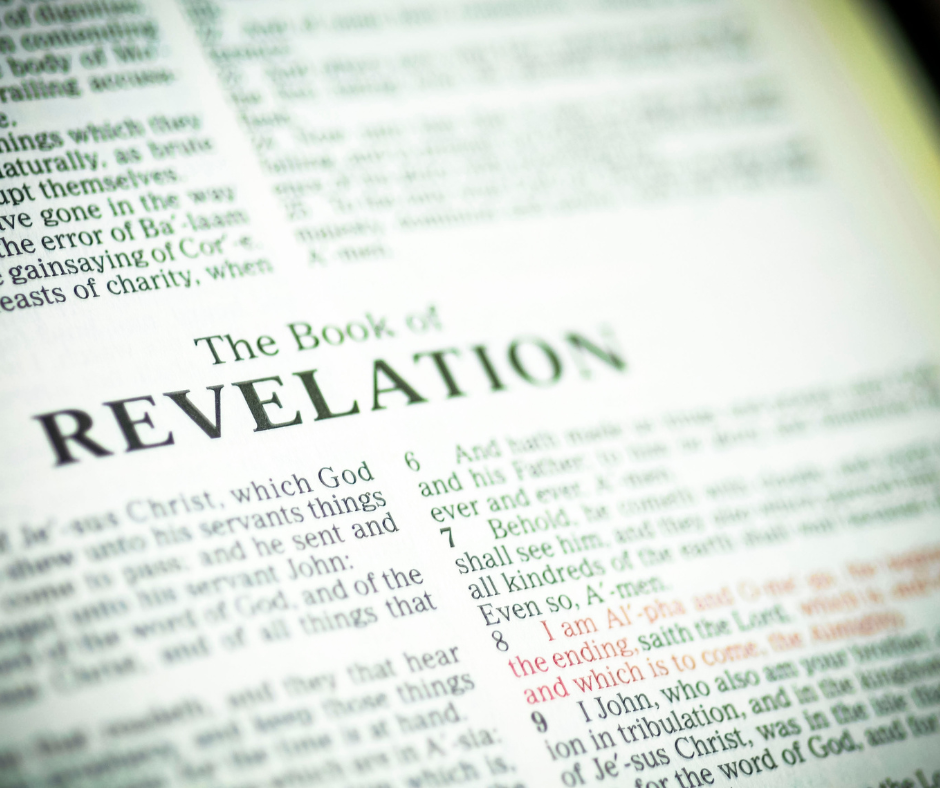
The Book of Revelation stands as the climactic conclusion of Holy Scripture, bringing the biblical canon to its final and glorious resolution. It is a book unlike any other in the New Testament—rich with symbolism, prophetic imagery, and heavenly vision—yet deeply pastoral in its purpose. Revelation is not written to satisfy curiosity about the future, but to strengthen the faithfulness of God’s people in the present. It unveils reality as God sees it, calling believers to endure, worship, and hope in the certainty of Christ’s ultimate victory.
Far from being a detached or cryptic appendix to the Bible, Revelation gathers together the great themes of Scripture—creation and consummation, conflict and redemption, judgment and restoration—and brings them to their appointed end. It reveals Jesus Christ as the sovereign Lord of history, ruling even now and destined to reign openly and forever. Written to a Church under pressure, Revelation speaks with urgency and comfort, confronting compromise while sustaining hope. Its message is not escapism, but endurance grounded in the faithfulness of God.
I. Authorship, Audience, and Setting
The book identifies its human author simply as John, a servant of Jesus Christ, writing while exiled on the island of Patmos “for the word of God, and for the testimony of Jesus Christ” (Revelation 1:9). Early Christian testimony consistently associates this John with the apostle John, the beloved disciple, whose pastoral voice and Christ-centered focus are well known from the Gospel and Epistles bearing his name. The authority of Revelation rests not merely on authorship, but on its self-attestation as divine revelation communicated through Christ and mediated by His angel.
Revelation is addressed initially to seven churches in Asia Minor, each facing distinct challenges related to persecution, compromise, false teaching, or spiritual complacency. These churches existed within the broader context of Roman imperial power, where allegiance to Christ increasingly brought social marginalization and legal danger. Emperor worship, political propaganda, and cultural pressure formed the backdrop against which Christian faithfulness was tested.
The historical setting of Revelation is most plausibly placed toward the end of the first century, during a period of heightened tension between the Roman state and the Christian community. John writes as a fellow sufferer, not from comfort but from exile, addressing believers who needed assurance that their suffering was neither unnoticed nor meaningless.
II. Purpose and Occasion of the Book
The primary purpose of Revelation is to unveil Jesus Christ in His present authority and future triumph, thereby strengthening the Church to endure faithfully until the end. Revelation is not primarily predictive in the modern sense; it is revelatory. It pulls back the veil on spiritual reality, showing that behind earthly powers and persecutions stands the sovereign hand of God.
The book addresses believers tempted either to fear persecution or to accommodate themselves to the world’s values. To the fearful, Revelation offers assurance: Christ reigns, judgment is certain, and suffering will give way to glory. To the complacent, it issues a solemn warning: compromise carries consequences, and faithfulness matters eternally. Revelation therefore functions as both encouragement and exhortation.
Another central purpose of the book is to reorient worship. Revelation repeatedly draws the reader into scenes of heavenly worship, where God and the Lamb are praised as worthy of all honor and glory. In doing so, it reminds the Church that true allegiance belongs not to earthly powers, but to the One who sits upon the throne. Worship, endurance, and witness are inseparably linked throughout the book.
III. Literary Character and Apocalyptic Form
Revelation belongs to the genre commonly described as apocalyptic prophecy, combining elements of prophecy, letter, and visionary literature. Its imagery is vivid, symbolic, and often drawn from the Old Testament, particularly from books such as Daniel, Ezekiel, Isaiah, and Zechariah. These symbols are not arbitrary; they are theologically charged, communicating truth through imagery that engages both imagination and conviction.
The book unfolds through a series of visions rather than a straightforward narrative. These visions often recapitulate themes rather than progressing in a simple chronological sequence, emphasizing theological meaning over linear timing. Revelation communicates certainty of outcome rather than exhaustive detail of process.
At the heart of the book stands the Lamb who was slain yet lives, a paradoxical image that defines the entire message of Revelation. Victory comes through faithfulness, not force; triumph through sacrifice, not domination. This Christ-centered focus anchors the book’s symbolism and guards against interpretations that sever Revelation from the gospel itself.
IV. Historical Reliability and Canonical Importance
The early Church recognized Revelation as authoritative Scripture, though its vivid imagery and prophetic scope prompted careful reflection. Its acceptance into the canon reflects confidence in its apostolic origin, theological coherence, and spiritual power. Revelation’s consistent use of Old Testament imagery demonstrates continuity with God’s prior revelation, while its focus on Christ affirms its place within the New Testament witness.
Canonically, Revelation serves as the fitting conclusion to the Bible. Where Genesis opens with creation and loss, Revelation closes with new creation and restoration. Where Scripture begins with the entrance of sin and death, it ends with their final defeat. Revelation does not introduce new themes so much as bring existing ones to their ordained fulfillment.
Throughout church history, Revelation has sustained believers facing persecution, injustice, and uncertainty. Its message has been read not as speculation for the curious, but as comfort for the faithful. It has reminded generations of Christians that history is not cyclical or meaningless, but purposeful and directed toward God’s appointed end.
V. The Pastoral and Prophetic Voice of Revelation
Despite its grandeur, Revelation is profoundly pastoral. Christ addresses real churches with real struggles, commending faithfulness, correcting error, and calling His people to repentance where needed. The book speaks with prophetic authority, yet always with the goal of restoration and perseverance.
Revelation’s warnings are severe because the stakes are eternal, but its hope is equally strong. Repeatedly, believers are reminded that those who overcome do so not by strength, but by faithfulness: by holding fast to Christ amid trial. The final word of the book is not judgment, but grace.
VI. Conclusion
The Book of Revelation stands as a majestic and sobering conclusion to Scripture, revealing the triumph of God’s redemptive purposes in Jesus Christ. It calls the Church to faithful endurance, wholehearted worship, and unwavering hope in the face of opposition and uncertainty. Revelation assures believers that evil will not prevail, that justice will be done, and that God will dwell with His redeemed people forever.
To study Revelation is to be reminded that history belongs to God, that Christ reigns even now, and that the future is secure in His hands. The book invites believers not to fear the end, but to live faithfully in light of it, looking forward to the day when faith becomes sight and the kingdom of this world becomes the kingdom of our Lord and of His Christ.