
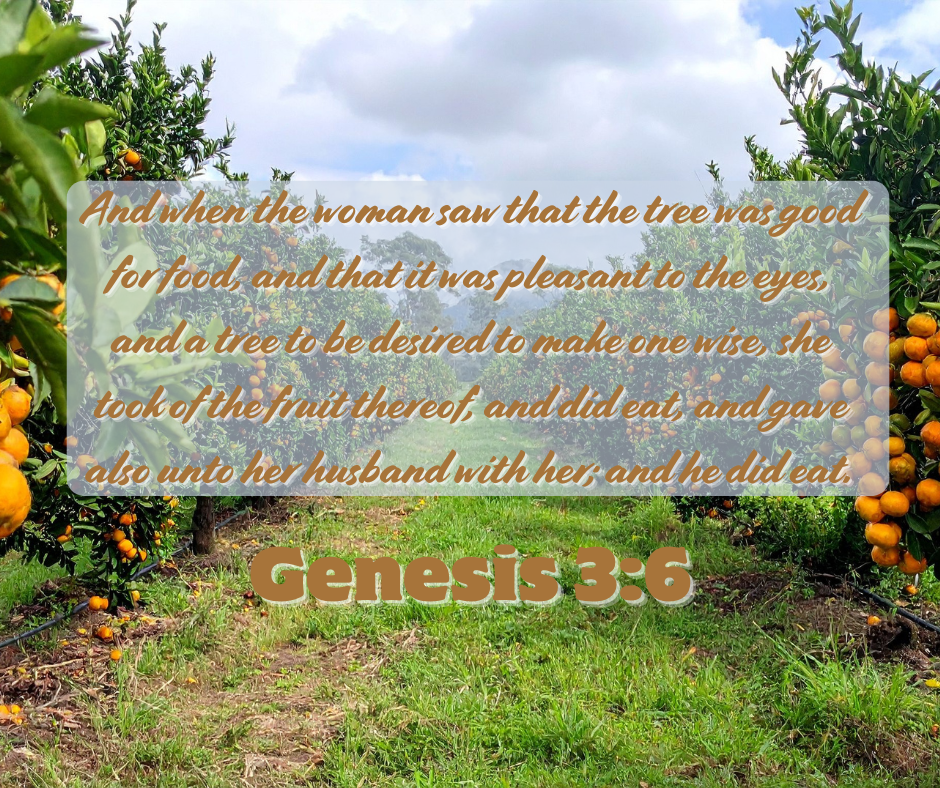
Genesis 3:6 recounts not a myth of ignorance overcome, but a moral fall: a real act by real people against a real command. A divine word was spoken, a boundary set, and humanity willfully crossed it. The story’s power lies in its moral clarity: sin is not confusion but rebellion, not instinct but choice. Every world religion, in its own way, seeks to explain what has gone wrong with humanity and how it might be set right. Yet the “fruit” they offer—though sometimes beautiful to the eyes—grows from different trees, rooted in very different understandings of human nature and divine truth.
A brief survey of major traditions such as Hinduism, Buddhism, Sikhism, and Zoroastrianism reveals both common longings and profound contrasts. Each system recognizes that something in humanity is broken, but their solutions diverge from Scripture at the very root. Where the Bible presents sin as defiance against a personal, holy God, these faiths typically describe it as ignorance, imbalance, or cosmic illusion. And where Genesis declares salvation to be God’s gracious initiative, they envision human ascent—self-purification, enlightenment, or moral effort—as the path to restoration.
Thus, comparing these “other trees” helps illuminate the uniqueness of the biblical account. Genesis 3:6 anchors humanity’s plight not in metaphysical accident or ignorance, but in moral rebellion; and it anchors hope not in human striving, but in divine mercy. Against the backdrop of the world’s religions, the gospel shines distinct: the cure for sin does not grow from earth’s soil but descends from heaven’s grace.
Hinduism: Desire as the Root Impulse
Hindu philosophy often locates the source of human bondage in disordered desire. Within the framework of the guṇas—the three modes of material nature—the Bhagavad Gītā teaches that lust or desire, born of passion, is transformed into wrath, which is the all-devouring enemy of the world.1 Desire gives rise to anger, which clouds judgment and leads the soul further into ignorance and rebirth. Liberation requires mastery over the senses, detachment from results, and alignment with the higher Self.
There is an echo of truth here. Genesis 3:6 also traces the path of sin through desire—“pleasant to the eyes” and “desired to make one wise.” Both traditions recognize that longing can enslave the soul. Yet the biblical narrative differs profoundly in its moral framework. In Hindu cosmology, desire arises from imbalance within nature; in Scripture, it springs from the will’s rebellion against God’s revealed command. The issue is not metaphysical disorder but moral defiance. The solution, therefore, is not re-alignment of energies but redemption through divine grace.
Where Hinduism counsels detachment, the gospel calls for repentance. The remedy for desire’s corruption is not the extinction of longing but its reorientation toward the Creator. In Christ, desire is not denied but redeemed, redirected toward the true object of joy: God Himself.
Buddhism: Craving (Taṇhā) and Ignorance
In Buddhist thought, the problem of suffering is rooted in craving and ignorance. The Second Noble Truth declares that desire gives rise to suffering, while the cessation of desire brings peace. The Dhammapada teaches, “From craving arises grief; from craving arises fear; for him who is free from craving there is no grief, whence fear?”2 The path to deliverance is therapeutic: disciplining the mind and extinguishing attachment through the Noble Eightfold Path.
Here again the biblical narrative resonates at the surface level: James writes that “every man is tempted, when he is drawn away of his own lust, and enticed” (James 1:14). Both traditions observe that inward desire produces suffering. Yet Genesis interprets that suffering relationally rather than psychologically: craving is not merely attachment to impermanent things but rejection of divine authority. Sin is not ignorance of truth but resistance to it.
Buddhism’s diagnosis treats the human problem as one of perception; Scripture treats it as one of allegiance. The cure is not awakening to impersonal reality but reconciliation with a personal Redeemer. The Buddha calls humanity to extinguish desire; Christ calls us to love rightly. The one ends in detachment; the other, in restoration.
Sikhism: The “Five Thieves” and the Ego
Sikh teaching describes the soul’s bondage in vivid moral terms: five inner thieves—lust, anger, greed, attachment, and ego—plunder spiritual life and obscure awareness of God. Deliverance comes through remembrance of the Divine Name (Naam Simran), service, and walking the Guru’s path. Through humility and meditation, the soul seeks to overcome the illusion of selfhood and dwell in divine harmony.3
Genesis 3:6 likewise exposes the intertwined forces of desire, pride, and misplaced trust. Eve’s gaze, appetite, and ambition mirror what Sikhism describes as the fivefold corruption of the heart. Yet the Bible presses the diagnosis further: sin incurs covenantal guilt. Humanity’s estrangement is not only experiential but judicial: our transgression against the Creator brings condemnation. The answer, therefore, is not inward discipline but divine intervention.
Where Sikhism prescribes remembrance of God’s name, Scripture reveals that the Word became flesh and bore our guilt. The believer’s hope rests not in meditation upon a Name but in faith in the One who came “to save his people from their sins.” The five thieves may describe the heart’s condition, but only the cross can disarm them.
Zoroastrianism: Cosmic Dualism and Moral Choice
Zoroastrianism interprets the world through cosmic dualism: a battle between Ahura Mazda (the Wise Lord) and Angra Mainyu (the Spirit of Destruction). Human beings participate in this struggle by choosing asha (truth, order) over druj (the Lie). Evil is not merely moral but metaphysical, nearly co-eternal with good; history is the stage for their conflict until the final renewal.4
This framework acknowledges moral tension but misconstrues its origin. In Genesis, evil is not an independent principle but a parasite within God’s good creation. The serpent is a creature, not a co-eternal rival. The universe is not divided between equal powers but sustained by one sovereign Creator whose goodness admits no rival. Humanity’s failure in Genesis 3:6 occurs not because of cosmic necessity but because of moral choice.
Where Zoroastrianism sees humanity caught between warring deities, Scripture places responsibility within the human heart. The Fall is not participation in a cosmic stalemate but rebellion within a moral order. Evil does not share the throne with God. It crouches at the door of the will (Genesis 4:7).
One Tree, One Truth: The Uniqueness of the Biblical Diagnosis
Across these traditions, certain harmonies emerge: all recognize that human desire can mislead, that moral corruption must be restrained, and that humanity stands in need of renewal. Yet Genesis 3:6 remains unique in both diagnosis and cure. The verse identifies sin not as ignorance or imbalance but as deliberate revolt: “the woman saw… took… and did eat… and gave… and he did eat.” The transgression is moral, personal, and relational.
In Christian theology, this pattern mirrors the triad John later names: “the lust of the flesh, the lust of the eyes, and the pride of life” (1 John 2:16). Other religions offer therapy for the self; Scripture offers atonement from God. Their paths aim to manage desire; the gospel redeems it. Their hope lies in discipline; ours lies in a Deliverer. The fruit of self-effort may look wholesome, but it cannot heal the root of rebellion. Only the second Adam, who resisted every temptation and obeyed where the first failed, can restore the fellowship that was lost.
Thus, the story of Genesis 3:6 does not direct humanity toward enlightenment or self-realization but toward grace. The cure for sin does not grow on any human tree. It is born on the tree of the cross.
- A. C. Bhaktivedanta Swami Prabhupāda, Bhagavad-gītā As It Is, 3.37, accessed October 24, 2025, https://vedabase.io/en/library/bg/3/37/. ↩︎
- Piyadassi Bhikkhu, Selections from the Dhammapada (Kandy, Sri Lanka: Buddhist Publication Society, n.d.), accessed October 24, 2025, https://bps.lk/olib/bl/bla0s_Piyadassi_Selections-from-the-Dhammapada.html. ↩︎
- Five Evils,” SikhiWiki: An Encyclopedia of the Sikhs, accessed October 24, 2025, https://www.sikhiwiki.org/index.php/Five_evils. ↩︎
- Elisabeth Burke, “Ahura Mazda and Angra Mainyu,” in Scriptures of the World’s Religions, LibreTexts, accessed October 24, 2025, https://human.libretexts.org/Bookshelves/Religious_Studies/Scriptures_of_the_Worlds_Religions_(Burke)/01:_Zoroastrian_Scriptures/1.01:_Ahura_Mazda_and_Angra_Mainyu. ↩︎