
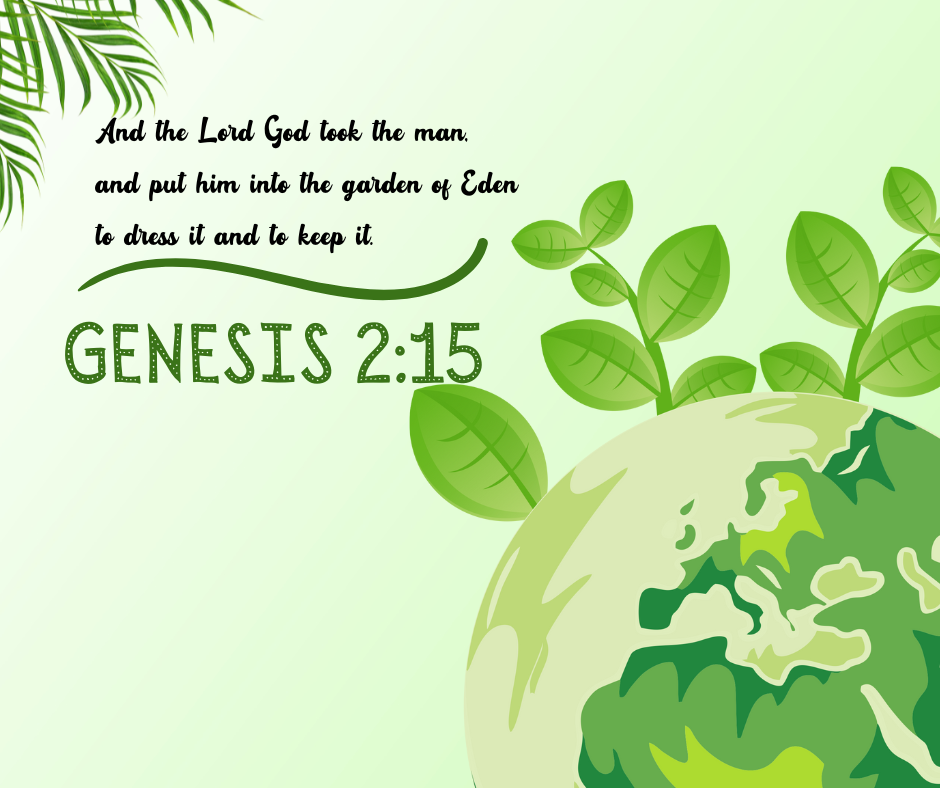
Some modern critics argue that Genesis 2:15, along with the broader biblical mandate in Genesis 1:28 to “have dominion… and subdue” the earth, promotes a human-centered worldview that grants unchecked authority to exploit nature for selfish ends. Certain environmental ethicists and secular ecologists have blamed this supposed reading of Scripture for deforestation, pollution, and the reckless consumption of natural resources, claiming that Christianity bears historical responsibility for fostering an attitude of dominance rather than care.
Such critiques often misunderstand both the text and its theological context. As Morris rightly observes, “The charge of certain latter-day evolutionary ecologists that the concept of man’s dominion has led to exploitation of earth’s resources is patently absurd. God’s command was to keep the ecology, not to destroy it; and those who believe and understand the Bible have always taken it that way” (1976, p. 93).
A closer reading of Genesis 2:15 directly counters the notion of exploitative domination. Adam was placed in the garden not merely to rule over it but to “dress it and to keep it.” The word dress (Hebrew ʿāvad) means to serve or cultivate, and keep (Hebrew šāmar) means to guard, watch, and preserve. These verbs explicitly describe stewardship and protection, not careless consumption. Far from authorizing abuse, the command defines humanity’s dominion as responsible caretaking under God’s ultimate ownership (Psalm 24:1).
This stewardship is not optional but a sacred duty rooted in humanity’s creation in the image of God (Genesis 1:26–27). To bear God’s image includes reflecting His character. God is not a destroyer of His own works but the Sustainer and Provider for all He has made (Psalm 145:15–16; Colossians 1:17). Humanity, therefore, is called to imitate this care by wisely managing the earth’s resources, ensuring that creation flourishes rather than deteriorates.
Moreover, biblical dominion must always be understood as vicegerency, ruling under God’s sovereign authority, not in defiance of it. The Fall did not remove this calling but corrupted it; hence, exploitation arises not from biblical teaching but from sin’s distortion of human motives. Throughout Scripture, God repeatedly rebukes Israel for polluting the land through injustice, idolatry, and bloodshed (Jeremiah 2:7; Isaiah 24:5–6). True biblical faith calls for righteousness that extends to how humanity treats the land, animals, and fellow creatures (Proverbs 12:10; Deuteronomy 22:6–7).
In Christ, this mandate is renewed and elevated: believers are reminded that all creation groans under the weight of sin and awaits the revealing of the sons of God (Romans 8:19–22). Christians, as new creations themselves (2 Corinthians 5:17), are to live as faithful stewards, caring for God’s handiwork as a testimony of the coming restoration when the curse will be lifted and harmony fully restored (Revelation 22:3).
Therefore, a faithful reading of Genesis does not endorse reckless dominion but calls believers to a balanced, worshipful stewardship that honors both the Creator and His creation. Misuse of the earth stems from rebellion against God’s order, not from obedience to His Word.