
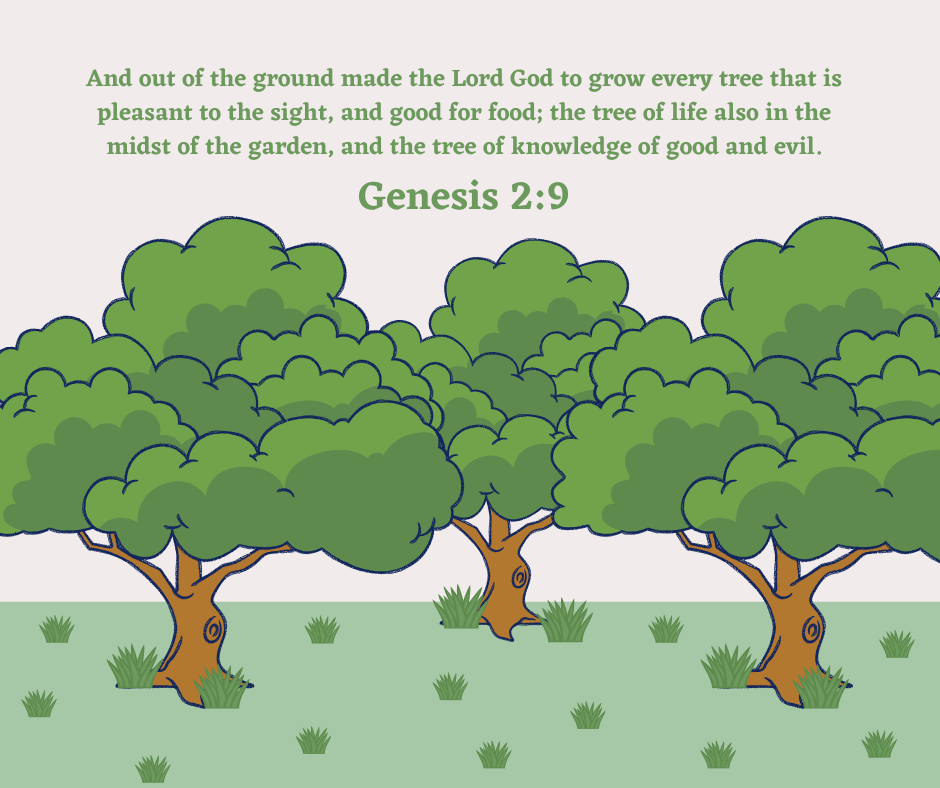
Eastern Orthodox mystics, while affirming the general historicity of Genesis, frequently approach the text with a contemplative and symbolic lens shaped by the theology of theosis—the process by which the believer is transformed into union with God. Within this mystical framework, the two trees placed in the midst of the Garden—the Tree of Life and the Tree of the Knowledge of Good and Evil—are not merely botanical or historical features but powerful spiritual symbols that reflect the inner workings of the soul and the path to divine communion.
For many Orthodox thinkers, the Tree of Life symbolizes union with the divine, a participation in the uncreated energies of God. Drawing upon the thought of figures like St. Gregory Palamas and other hesychastic traditions, the Tree of Life becomes a sign of what Adam and Eve were created for: ongoing life in God, sustained by obedience and humble fellowship. It is often linked with the Eucharist, Christ Himself, and the fullness of divine life made accessible through prayer, asceticism, and sacramental participation.
The Tree of the Knowledge of Good and Evil, by contrast, is viewed as a symbol of the misuse of knowledge—a turning of the intellect and will away from God. In this view, Adam and Eve’s sin was not merely in violating a command, but in seeking autonomous moral reasoning, attempting to define good and evil apart from divine revelation. The act of eating the fruit becomes a profound spiritual tragedy: the prideful substitution of human self-reliance for divine dependence. As such, the Fall is interpreted not simply as historical disobedience, but as the soul’s inward rupture—a choosing of self over union with God.
This interpretation aligns with the Orthodox emphasis on humility, inner purification, and contemplative prayer as the means of restoring communion with God. The path back to the Tree of Life, then, is not only paved by Christ’s redemptive work, but also walked through continual ascetical effort, sacramental participation, and mystical experience (2017).
While there is much richness in the Orthodox emphasis on union with God and the transformative aim of salvation, the symbolic interpretation of the trees—particularly when used to shift the emphasis away from historical fallenness and penal substitution—ultimately dilutes the biblical message of sin, judgment, and the sufficiency of Christ’s atonement.
The Trees Were Historical and Theological Markers, Not Mystical Archetypes
While Eastern Orthodoxy rightly emphasizes the spiritual depth of Scripture and the relational aim of salvation, its symbolic reading of the Genesis trees must be carefully evaluated against the clear teaching of the biblical text.
Scripture presents the Tree of Life and the Tree of the Knowledge of Good and Evil as real, divinely appointed trees in a literal garden, with a theological function—not just mystical significance. The placement of the trees is deliberate and central, not metaphorical. They mark a divinely ordered test and provision. The Tree of Life was not a symbolic Eucharist-in-waiting, but a means of sustaining life in harmony with God. When Adam and Eve sinned, God physically removed access to that tree to prevent an eternal continuation of life in a fallen state: “…lest he put forth his hand, and take also of the tree of life, and eat, and live for ever…” (Genesis 3:22). This was a literal and theological act—not merely a metaphor for disrupted spiritual communion.
Similarly, the Tree of the Knowledge of Good and Evil was not an invitation to philosophical error or epistemological pride, but a clear command boundary. Genesis 2:17 makes God’s purpose explicit: “But of the tree of the knowledge of good and evil, thou shalt not eat of it: for in the day that thou eatest thereof thou shalt surely die.”
The problem was not a misuse of higher reasoning, but direct disobedience to God’s Word. As the apostle Paul affirms in Romans 5:19: “For as by one man’s disobedience many were made sinners, so by the obedience of one shall many be made righteous.”
The biblical diagnosis of the Fall is moral and judicial, not contemplative. It introduced not just alienation from God, but guilt, death, and condemnation (Romans 5:12; 6:23). The way back to life is not ultimately through sacramental participation or mystical ascent, but through faith in the atoning work of Christ.
Conclusion: The Trees Reveal God’s Grace and Judgment, Not Merely Spiritual Process
Eastern Orthodox interpretations offer meaningful insights into the relational nature of salvation and the beauty of union with God. However, the symbolic reading of the Genesis trees risks overshadowing the plain historical and theological truths they represent.
- The Tree of Life is not just a symbol of theosis—it is a gift of eternal life restored only through Jesus Christ.
- The Tree of the Knowledge of Good and Evil is not merely a cautionary tale against spiritual pride—it marks the point of human rebellion against the revealed will of God.
Ultimately, the trees in Genesis point us not inward to mystical potential, but forward to redemptive fulfillment in Christ. He is the true Tree of Life (Revelation 2:7), the only source of eternal union with God—not through human ascent, but by His descent to us through the cross.