
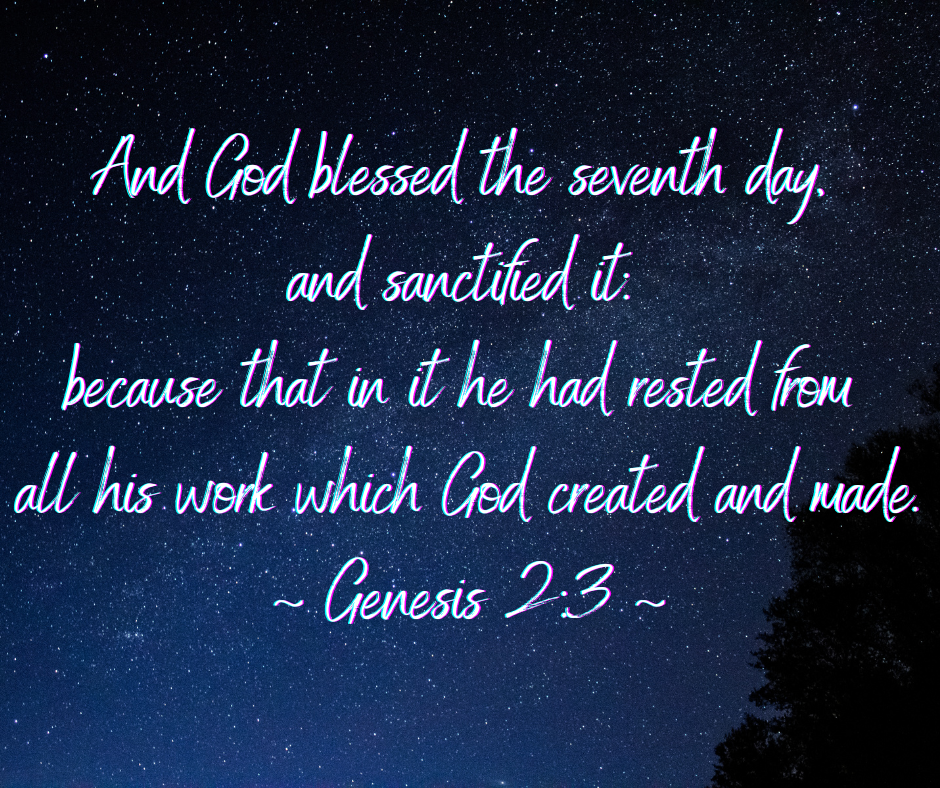
One common question posed by skeptics and believers alike is this: If God is perfect and infinite, why would creation need to be “finished” at all, as described in Genesis 2:1-3? Moreover, if God is truly all-powerful, why did creation take six days rather than occurring instantaneously? Wouldn’t a perfect, omnipotent Creator be capable of bringing everything into existence in a single, timeless moment?
These questions reflect a fundamental challenge in understanding the nature of God’s actions and the way they are communicated through Scripture. They arise from a human perspective that often equates efficiency with power and speed with greatness. Yet, the creation narrative in Genesis tells a different story—one that is less about efficiency and more about intentionality, purpose, and divine accommodation to human understanding.
The Nature of Divine Action: Beyond Human Constraints
To begin with, it is essential to recognize that God, being infinite and transcendent, exists beyond the constraints of time and space. Time is a construct that governs the created universe, not the Creator Himself. Therefore, the six-day creation account is not indicative of any limitation or necessity on God’s part. Instead, it serves as an intentional framework to communicate profound truths to humanity.
The division of creation into six days reflects a deliberate pattern of order, sequence, and purpose. In presenting the creation narrative this way, God offers a model of structured and progressive work that humans can understand and emulate. Each day marks a distinct phase, emphasizing that creation was not chaotic or haphazard, but carefully planned and executed. The creation story is not merely a factual recounting but a theological narrative that reveals God’s character, wisdom, and sovereignty.
The Role of Time: A Gift for Human Comprehension
The six-day framework is not for God’s benefit but for humanity’s. Time as we understand it is a fundamental part of human experience, and by embedding creation within a temporal structure, God provides a model that resonates with human existence. Just as human life is marked by patterns of work and rest, so too is the divine act of creation.
This rhythm culminates in the seventh day, the Sabbath, where God rests—not because He is weary, but to establish a principle of rest and reflection for humanity. The Sabbath becomes a holy day, signifying that life should not merely be a relentless cycle of productivity but should include purposeful pauses for worship, reflection, and renewal. In this sense, the creation narrative becomes not only a cosmic origin story but also a divine teaching on how humans are to structure their lives.
Process and Progression: Demonstrating Purposeful Creation
An instantaneous act of creation would undoubtedly have demonstrated divine power, but it would have lacked the didactic and relational aspects inherent in the six-day process. God’s decision to unfold creation in stages demonstrates His willingness to engage with humanity on an accessible level. By allowing creation to emerge progressively, God reveals the value of process and progression—concepts central to human experience.
Furthermore, the structured unfolding of creation serves as a metaphor for spiritual growth and development. Just as the world was shaped step by step, humans are called to grow and mature through phases of transformation. The creation account, therefore, mirrors the journey of faith—an ongoing, deliberate process guided by divine wisdom.
An Invitation to Wonder and Worship
Ultimately, the six-day creation narrative invites believers not just to marvel at God’s power but to engage in contemplation and worship. The structure itself points to a deeper message: that God’s creative work is both purposeful and relational, calling humanity to observe, reflect, and respond in faith.
Rather than being a mere chronological account, Genesis 1–2 serves as a profound theological statement about God’s nature, human purpose, and the rhythm of life. It challenges modern assumptions about speed and efficiency and instead reveals a God who shapes not only the universe but also human understanding and spiritual formation.