
The Renaissance was a period of profound intellectual revival, marked by a renewed interest in classical learning, philosophy, and scientific exploration. This era, stretching from the 14th to the 17th centuries, laid the foundation for significant advancements in human knowledge. As scholars delved into ancient texts and scientific inquiry expanded, longstanding views about the nature of the universe and divine creation came under increasing scrutiny. These developments gave rise to complex debates regarding the relationship between faith and reason, challenging traditional interpretations of the biblical account of creation while also prompting new theological reflections on God’s role in sustaining the cosmos.
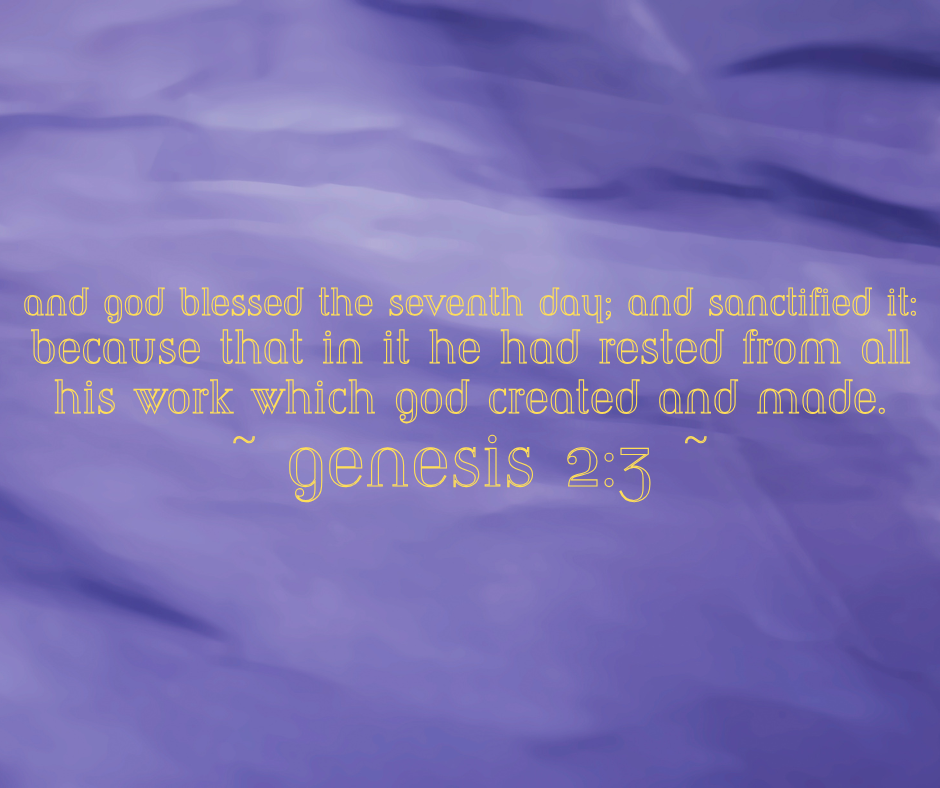
One of the most significant shifts in cosmology came with the work of Nicolaus Copernicus (1473–1543), whose heliocentric model proposed that the Earth revolved around the sun rather than being the fixed center of the universe. This revolutionary idea, later expanded by figures like Galileo Galilei and Johannes Kepler, contradicted the geocentric model that had been widely accepted by both the Church and ancient scholars such as Aristotle and Ptolemy. While some viewed these scientific discoveries as a direct challenge to biblical authority, others sought to harmonize emerging scientific theories with theological doctrines. Among them was Jean Bodin (1530–1596), a Catholic scholar who explored natural law theories and argued that God’s “rest” on the seventh day, as described in Genesis 2:1-3, did not imply a literal cessation of divine activity. Instead, he suggested that this “rest” symbolized the completion of the fundamental laws governing the universe—laws that continue to operate under God’s providence. This interpretation allowed for scientific inquiry within a framework that still acknowledged divine order and sovereignty (Grant, 1996).
As the Renaissance gave way to the Enlightenment, intellectual skepticism toward biblical narratives grew more pronounced. Thinkers such as Voltaire (1694–1778) criticized the Genesis creation account, particularly passages like Genesis 2:1-3, which he viewed as mythical rather than historical. Voltaire and other Enlightenment philosophers sought to undermine the authority of Scripture, advocating for a worldview that prioritized reason, empirical evidence, and human autonomy over divine revelation (Hannam, 2009). However, despite these criticisms, the Bible affirms that God’s involvement in creation did not end after the six days of Genesis but continues through His sustaining power. Scripture teaches that “by Him all things consist” (Colossians 1:17) and that Christ “upholding all things by the word of his power” (Hebrews 1:3) actively maintains the order of the universe. This understanding aligns with scientific discoveries regarding the consistency of natural laws, which reflect not an absent Creator but an ever-present, sustaining God.
Ultimately, the Renaissance and Enlightenment periods raised significant questions about the relationship between faith and science, yet they did not diminish the truth of God’s Word. While human understanding of the natural world has expanded, biblical teaching remains firm: God is both the Creator and Sustainer of all things. When rightly understood, scientific discoveries do not contradict Scripture but instead reveal the intricate wisdom and order established by the divine Creator. Rather than diminishing faith, the study of creation should lead to a deeper appreciation of God’s power, purpose, and continued presence in the world He made.