
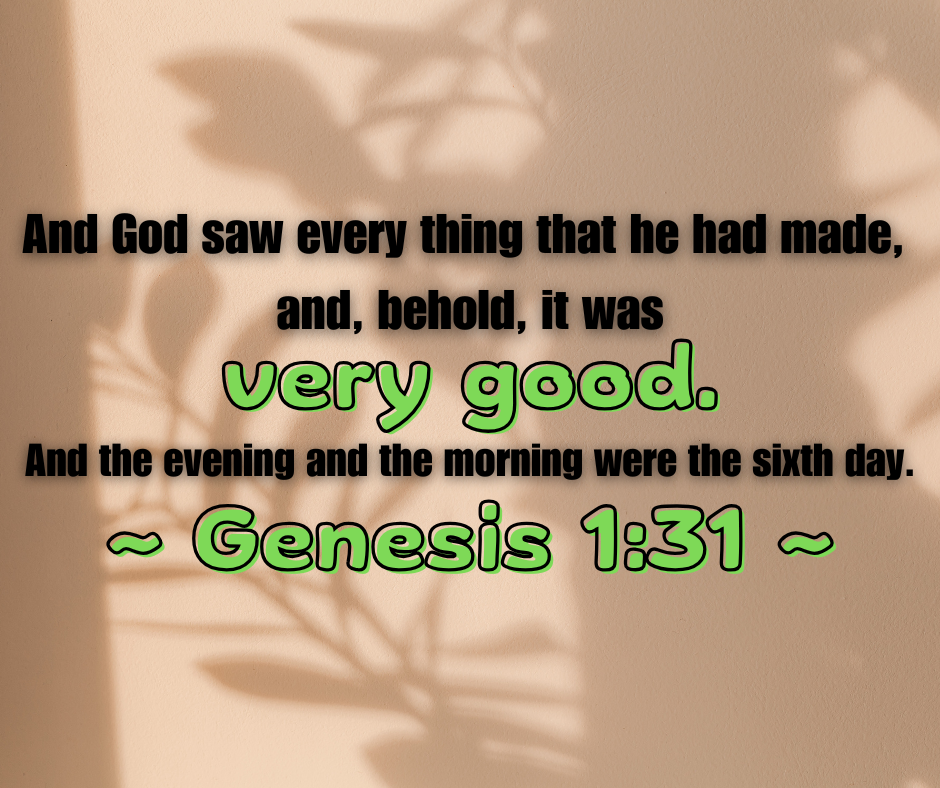
Genesis 1:31 affirms the inherent goodness of creation, setting the biblical account apart from ancient religious texts. While numerous traditions describe the origins of the universe in terms of chaos, divine conflict, or cyclical processes, Genesis presents a structured, intentional creation by a single, sovereign God. The statement that creation is “very good” reflects not only its functionality but also its moral and ontological excellence.
We will now explore how Genesis 1:31 compares with major ancient creation myths, highlighting both similarities and fundamental differences. These comparisons provide insight into the uniqueness of the biblical worldview, particularly in its affirmation of a monotheistic, purposeful, and wholly good creation.
Mesopotamian Creation Accounts
The Enuma Elish (Babylonian Creation Myth, c. 18th–16th Century BC)
The Babylonian creation epic, Enuma Elish, describes the formation of the world as the result of a cosmic struggle. In this narrative, the god Marduk battles and defeats Tiamat, the primordial chaos goddess, then fashions the heavens and the earth from her dismembered body. The completion of this act is met with rejoicing among the gods, signaling a sense of satisfaction with the created order.
While Enuma Elish shares with Genesis the idea of a structured creation process, the fundamental differences are striking. The biblical account presents creation as a peaceful and purposeful act of divine will, whereas the Babylonian myth frames it as a violent byproduct of conflict. The role of humanity further distinguishes the two traditions. In Enuma Elish, humans are created not as bearers of divine image but as laborers meant to serve the gods, relieving them of their burdensome work. This utilitarian view of humanity contrasts sharply with Genesis, where mankind is made in the image of God and given dominion over creation.
The Atrahasis Epic (Akkadian, c. 18th Century BC)
The Atrahasis Epic offers another Mesopotamian perspective on creation, depicting humanity’s origin as a response to the complaints of lesser gods who tire of their labor. In this myth, the god Enlil orders the creation of humans so that they might take on the work previously performed by divine beings. Humanity is not created as an act of divine generosity or purpose but as a necessary solution to a problem.
This account sharply contrasts with Genesis 1:31, where creation—including humanity—is pronounced “very good.” In Atrahasis, human existence is a consequence of divine dissatisfaction and serves a utilitarian purpose, whereas in Genesis, humanity is created intentionally and with intrinsic worth. The biblical view of humanity as bearing the image of God conveys dignity and purpose beyond mere servitude.
Egyptian Creation Myths
The Heliopolitan Cosmogony (c. 2500 BC, Pyramid Texts)
In Egyptian mythology, creation emerges from a primeval ocean called Nun. The self-generated god Atum gives rise to Shu (air) and Tefnut (moisture), who then produce other deities, leading to the formation of the natural world. Order is maintained through Ma’at, the principle of cosmic balance.
While the Egyptian worldview acknowledges an orderly cosmos, it lacks the biblical notion of an absolute, omnipotent Creator. Instead, the world is an emanation of divine forces, with its stability dependent on continued divine intervention. Unlike Genesis 1:31, where creation is declared “very good” and complete, Egyptian cosmogonies suggest an ongoing struggle to preserve order against the ever-present threat of chaos.
The Memphis Theology (c. 1200 BC, Ptah as Creator)
The Memphis Theology presents Ptah as a creator deity who brings the world into existence through speech. This bears some resemblance to Genesis 1, where God creates by speaking. However, Egyptian creation myths emphasize divine kingship, particularly the role of the pharaoh as the “image of the gods.” In contrast, Genesis democratizes divine representation, affirming that all humanity—not just rulers—bear the image of God.
The biblical account’s emphasis on a single, personal Creator contrasts with Egyptian theology, which portrays creation as the work of multiple deities. Furthermore, Genesis insists on the inherent goodness of creation, whereas Egyptian myths depict the world as an ordered yet fragile system requiring continual maintenance.
Zoroastrianism (c. 1200–600 BC, Avesta & Later Texts)
In Zoroastrian tradition, the supreme deity Ahura Mazda creates the world as fundamentally good. However, this goodness is quickly challenged by Angra Mainyu (Ahriman), the spirit of chaos and destruction. The resulting struggle between good and evil defines the Zoroastrian worldview, in which creation’s goodness is not absolute but must be defended.
Genesis 1:31 stands in sharp contrast to this dualistic perspective. The Bible affirms that creation is wholly good, with no immediate threat to its integrity. While the presence of evil and corruption enters later in Genesis, it is not a cosmic force opposing God from the beginning. The biblical account presents God as sovereign, with no rival capable of challenging His authority over creation.
Hindu Creation Myths (Vedic & Puranic Traditions, c. 1500 BC–present)
The Rig Veda (Nasadiya Sukta, c. 1500 BC)
The Nasadiya Sukta, a hymn from the Rig Veda, reflects on the mystery of creation, suggesting that even the gods may not fully understand its origins. This portrayal of creation as unknowable contrasts with Genesis, where the origin of the universe is clearly attributed to God’s sovereign will.
Puranic Creation Myths
Later Hindu traditions describe the universe as undergoing endless cycles of creation and destruction, a concept known as samsara. Brahma creates the world, but it is ultimately impermanent. The material world is often viewed as maya (illusion), emphasizing spiritual liberation over engagement with the physical realm.
This cyclical and somewhat illusory view of creation differs profoundly from Genesis, which presents a linear, purposeful creation that is both real and good. Genesis affirms the material world’s value, whereas Hinduism often regards it as a temporary distraction from spiritual enlightenment.
Chinese Creation Accounts (Taoism & Confucianism)
The Pangu Myth (c. 3rd Century BC)
The Chinese Pangu myth describes a giant whose death gives rise to the elements of the universe—his body becomes the earth, his breath the wind, and so forth. Creation is not an act of divine will but an organic transformation.
Daoist Cosmology
Daoist thought emphasizes the Dao, or the natural unfolding of existence. Rather than being created by a personal deity, the universe emerges through spontaneous balance. Unlike Genesis, which attributes purpose and moral goodness to creation, Daoism sees reality as a blend of order and chaos, without a definitive declaration of inherent goodness.
Greco-Roman Creation Myths
Hesiod’s Theogony (c. 700 BC)
Hesiod’s account of creation begins with Chaos, from which the gods emerge. Divine rule is established through violent struggles, such as Cronus castrating Uranus and Zeus overthrowing the Titans. Unlike Genesis, where creation is peaceful and orderly, Greek mythology sees cosmic history as a series of power struggles.
Plato’s Timaeus (c. 4th Century BC)
Plato presents a Demiurge who crafts the universe from pre-existing matter. While the material world is generally good, it is also flawed due to its physical nature. This differs from Genesis, which teaches ex nihilo (creation from nothing) and affirms creation’s absolute goodness.
Summary Table: Genesis 1:31 vs. Ancient Religious Texts
| Religious Text | Creation Process | Goodness of Creation? | Key Difference from Genesis 1:31 |
| Enuma Elish (Babylonian) | Cosmic battle | Mixed—gods rejoice, but creation stems from violence | Genesis lacks divine conflict. |
| Egyptian Myths | Divine emanation | Ordered but fragile | Gods must sustain balance, unlike Genesis’ completed goodness. |
| Zoroastrianism | Dualism (Good vs. Evil) | Initially good but later attacked by evil | Genesis lacks cosmic dualism. |
| Hindu Rig Veda | Unknowable origins | Cyclical | Hinduism sees creation as temporary; Genesis presents a linear creation. |
| Daoism (Pangu Myth) | Natural unfolding | Neither good nor bad | Genesis affirms purpose and order; Daoism emphasizes spontaneity. |
| Greek Theogony | Chaos and divine struggle | Order emerges from violence | Genesis lacks chaotic battles. |
| Plato’s Timaeus | Demiurge shapes pre-existing matter | Good but flawed | Genesis teaches ex nihilo creation. |
Conclusion
Genesis 1:31 stands apart from other ancient accounts in its affirmation of a singular, sovereign Creator who brings forth a structured, purposeful, and entirely good creation. Unlike myths that depict creation as emerging from chaos, divine struggle, or cycles of destruction, Genesis presents an orderly and intentional act of divine will. The biblical declaration of creation’s goodness remains a foundational principle that distinguishes it from competing worldviews, offering a vision of the world as inherently valuable and reflective of God’s perfect design.