
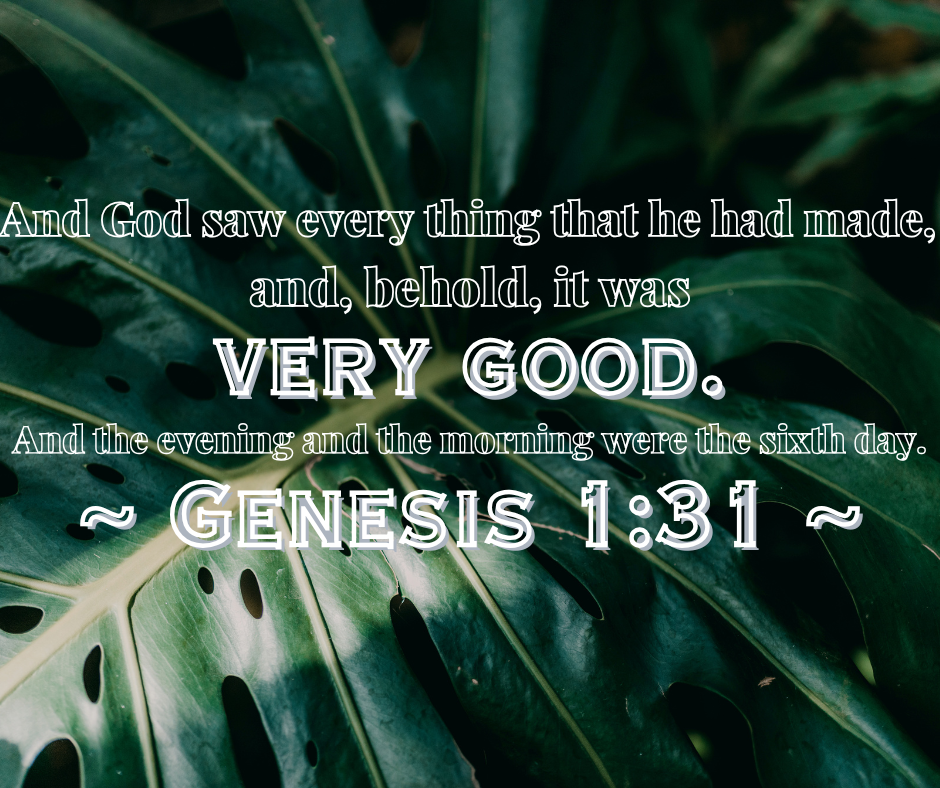
Between the 12th and 15th centuries, Jewish mystics, particularly Kabbalists, developed esoteric interpretations of Genesis 1:31. While the plain meaning of the text affirms the inherent goodness of God’s creation, Kabbalistic thought reinterpreted this declaration through a mystical and philosophical lens. These interpretations, which go beyond the biblical text, suggest that “very good” refers not merely to the material world’s goodness but to hidden divine energies, cosmic processes, and humanity’s role in rectifying a broken universe.
Sefer HaBahir: A Mystical Reinterpretation
One of the earliest Kabbalistic texts, Sefer HaBahir (12th century), introduced a non-biblical interpretation of Genesis 1:31 by shifting the focus from God’s original and perfect creation to an idea of concealed divine light embedded within the universe. According to the Bahir, creation was not simply good in a functional or moral sense but served as a vessel for divine wisdom that was hidden from plain sight.
While the Bible teaches that creation was wholly good from the beginning, the Bahir presents a mystical view in which creation is an ongoing process of divine revelation, accessible only to those who engage in esoteric spiritual practices. This idea stands in contrast to the biblical teaching that God’s Word is clear and sufficient for guiding mankind (Psalm 19:7-9).
The Zohar: A Mystical System of Divine Emanations
The Zohar, the foundational work of Kabbalah written in the 13th century, expanded on these mystical ideas by interpreting Genesis 1:31 within the framework of the Sefirot, ten divine emanations that allegedly structure all existence. In this system, “very good” is said to represent a balance between the divine attributes of Chesed (loving-kindness) and Gevurah (judgment). This interpretation departs from the biblical teaching that God’s nature is singular and undivided (Deuteronomy 6:4).
Additionally, the Zohar introduced the idea of Tikkun (rectification), suggesting that creation was not made fully perfect but was instead a work in progress, requiring human effort to elevate it spiritually. This contradicts the biblical teaching that creation was originally “very good” and that sin, not an inherent flaw in creation, introduced corruption into the world (Genesis 3; Romans 5:12).
Isaac Luria and the Shattering of the Vessels: A Non-Biblical Cosmology
In the 16th century, Kabbalist Isaac Luria (1534–1572) introduced an even more speculative interpretation with his doctrine of Shevirat HaKelim (the Shattering of the Vessels). Luria taught that the original act of creation was indeed “very good,” but that a cosmic catastrophe occurred when divine vessels, meant to contain God’s infinite light, shattered. This allegedly scattered divine sparks throughout the material world, making human beings responsible for gathering and restoring them through religious rituals.
This teaching is entirely absent from the Bible and contradicts the biblical understanding of creation. Scripture affirms that God’s creation was perfect from the beginning and that mankind’s purpose is to glorify God through obedience to His revealed Word, not to perform mystical acts to “repair” the cosmos (Ecclesiastes 12:13; Isaiah 45:18). The idea that the material world is inherently broken and in need of mystical rectification is closer to Gnostic and dualistic philosophies than to biblical truth.
Theological Controversy and Departure from Biblical Doctrine
The mystical reinterpretations of Genesis 1:31, particularly Luria’s doctrine of Shevirat HaKelim, led to controversy within Judaism. Traditional Jewish scholars, including Maimonides, rejected these speculative ideas as unbiblical, emphasizing that God’s creation was fundamentally good and that human responsibility lay in following God’s law, not in mystical repair.
The most extreme distortions of these ideas emerged in the 17th century with the rise of the heretical Sabbatean movement. Some followers of the false messiah Shabbetai Tzvi claimed that because creation was shattered, traditional religious laws could be violated in order to bring about redemption. These radical departures from biblical morality demonstrate the dangers of mystical reinterpretations that stray from God’s revealed Word.
The Danger of Mystical Speculation
From the Bahir to the Zohar and Lurianic Kabbalah, Jewish mysticism has offered speculative interpretations of Genesis 1:31 that diverge from the plain meaning of Scripture. Rather than accepting God’s declaration that creation was “very good” in its original state, these mystical traditions recast creation as an incomplete or broken system requiring human intervention to achieve its true purpose.
While these teachings have influenced Jewish thought for centuries, they must be recognized as philosophical and mystical constructs rather than biblical truths. The Bible makes it clear that God’s creation was perfect from the beginning and that sin, not a cosmic rupture, is the source of the world’s corruption (Genesis 3:17-19; Romans 8:20-22). The Christian believer should be wary of mystical interpretations that obscure the clarity of God’s Word and should instead trust in the sufficiency of Scripture to reveal God’s truth (2 Timothy 3:16-17).