
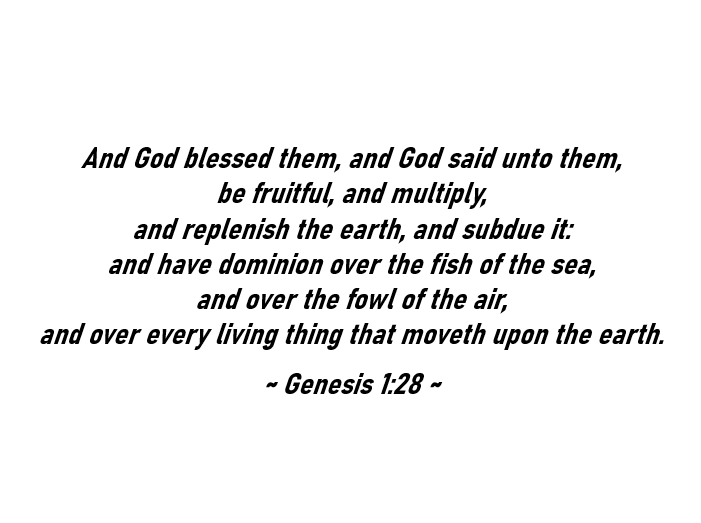
Dispensational theology provides a framework for understanding the Bible as a series of distinct periods, or dispensations, in which God reveals specific aspects of His will and entrusts humanity with unique responsibilities. Each dispensation tests human obedience and ultimately reveals God’s redemptive plan. The first of these, known as the “Dispensation of Innocence,” begins in Genesis 1:28 and represents humanity’s initial state of sinless communion with God.
This verse outlines the divine mandate given to Adam and Eve, establishing their responsibilities in this initial period of innocence. In this dispensation, humanity was charged with several key tasks: to multiply and populate the earth, to manage and cultivate creation, and to exercise stewardship over all living things. These commands highlight God’s purpose for humanity to reflect His image as caretakers of the world, functioning as His representatives in creation.
Characteristics of the Dispensation of Innocence
The Dispensation of Innocence was marked by several distinctive features:
- Sinless Relationship with God: Adam and Eve lived in perfect harmony with their Creator, enjoying an intimate relationship unmarred by sin. They walked with God in the Garden of Eden, experiencing His presence directly (Genesis 3:8).
- Moral Purity: In this period, humanity was free from sin and moral corruption. The conscience, as it would later develop, was not yet burdened by the knowledge of good and evil (Genesis 2:25).
- Test of Obedience: While the Dispensation of Innocence was characterized by blessings and freedom, God also provided a specific test of obedience. Adam and Eve were commanded not to eat from the tree of the knowledge of good and evil (Genesis 2:16–17). This test symbolized humanity’s dependence on God and the necessity of trusting His wisdom and authority.
The Fall: The End of Innocence
Tragically, the Dispensation of Innocence came to an end when Adam and Eve disobeyed God’s command and ate the forbidden fruit (Genesis 3:6). This act of rebellion introduced sin and its consequences into the world, fundamentally altering humanity’s relationship with God. The Fall marked the beginning of spiritual separation from God, the curse upon creation, and the eventual need for redemption.
As a result of their disobedience, Adam and Eve were expelled from the Garden of Eden (Genesis 3:23–24), symbolizing the loss of innocence and the start of a new dispensation—the Dispensation of Conscience. This transition underscores a central theme in dispensational theology: humanity’s failure to fulfill its divine responsibilities and the need for God’s intervention to restore what was lost.
Theological Significance of the Dispensation of Innocence
The Dispensation of Innocence holds profound theological importance, as it sets the foundation for understanding God’s relationship with humanity and the unfolding of His redemptive plan:
- God’s Original Intent: This dispensation reveals God’s desire for humanity to live in harmony with Him and creation. It emphasizes His blessings, provision, and the purpose for which humanity was created.
- The Nature of Sin: The Fall demonstrates that sin is fundamentally rooted in disobedience to God and a rejection of His authority. The consequences of Adam and Eve’s failure extend to all humanity, underscoring the universality of sin (Romans 5:12).
- The Need for Redemption: The Dispensation of Innocence points forward to the necessity of a Savior. Humanity’s inability to maintain innocence highlights the need for Jesus Christ, the “second Adam,” who would provide the ultimate solution to sin and restore the broken relationship with God (1 Corinthians 15:22, 45).
God’s Plan in Progress
Understanding the Dispensation of Innocence helps believers grasp the unity of God’s plan throughout history. It serves as a reminder of humanity’s original purpose, the gravity of sin, and the immeasurable grace of God in providing redemption. Each subsequent dispensation, from conscience to law to grace, unfolds as part of God’s sovereign design to bring all things together in Christ (Ephesians 1:10).
Ultimately, the Dispensation of Innocence is a profound testament to God’s holiness, humanity’s need for a Savior, and the eternal hope found in Jesus Christ. Through this lens, believers can see the Bible as a cohesive narrative of God’s redemptive work and His unchanging faithfulness to His creation.
Critiques of the Dispensation of Innocence
The concept of the Dispensation of Innocence, as framed within dispensational theology, has been the subject of critique from various theological traditions and scholars. These critiques often focus on the interpretive assumptions underlying the concept and its broader theological implications. Below are the most frequently raised objections to the Dispensation of Innocence:
1. Lack of Explicit Biblical Support
Critics contend that the concept of a “Dispensation of Innocence” lacks explicit biblical grounding:
- Terminological Absence: The Bible does not explicitly use the term “dispensation” to describe the state of humanity in Genesis 1–3, nor does it delineate history into distinct dispensational periods. This framework is seen by some as a theological construct rather than a natural conclusion derived from Scripture.
- Impositional Framework: The categorization of Adam and Eve’s pre-Fall existence as a separate dispensation with unique conditions is often viewed as an interpretive imposition. Detractors argue that such divisions may obscure the plain meaning of the biblical text and its seamless narrative.
2. Overemphasis on Innocence
The use of the term “innocence” to describe Adam and Eve’s pre-Fall condition has faced critique for being overly reductive:
- Moral Neutrality vs. Goodness: Critics argue that “innocence” implies a state of moral neutrality, whereas Genesis 1:31 declares that God saw His creation as “very good.” This suggests a positive moral quality rather than mere neutrality.
- Potential for Moral Development: The ability of Adam and Eve to choose obedience or disobedience indicates that their condition included the potential for moral development. Some theologians suggest this capacity reflects more than “innocence” and points to their unique role as morally capable beings in God’s creation.
3. Questioning the Test of Obedience
The “test” associated with the Tree of the Knowledge of Good and Evil as a defining element of the Dispensation of Innocence is often disputed:
- Not a Defining Characteristic: Critics argue that the command in Genesis 2:16–17, while significant, is not portrayed in Scripture as the defining feature of an entire dispensation. Instead, it fits within the broader moral and relational context of God’s interaction with humanity.
- Relational Complexity: Focusing on the test risks reducing the richness of the relationship between God and Adam and Eve in the Garden. Critics suggest that this relationship encompassed much more than a single act of obedience or disobedience.
4. Theological Implications of a Time-Bound Relationship
The idea of dividing God’s relationship with humanity into time-bound dispensations raises significant theological questions:
- Continuity of God’s Nature: Critics emphasize that God’s character and relationship with humanity are consistent throughout Scripture. They argue that dividing history into distinct dispensations may obscure this continuity and instead highlight human conditions rather than divine constancy.
- Covenantal Themes: The concept of a separate “Dispensation of Innocence” before the Fall is seen by some as detracting from the broader biblical themes of covenant and redemption, which are unified across the narrative of Scripture.
5. The Role of Conscience and Knowledge
The distinction between the Dispensation of Innocence and the subsequent Dispensation of Conscience has been questioned:
- Implied Moral Awareness: Critics argue that Adam and Eve’s pre-Fall state already included moral awareness and responsibility, evidenced by their interaction with God and their ability to make choices. The transition from innocence to conscience may create an unnecessary and artificial distinction.
- Gradual Development: The narrative of Genesis suggests a continuity in moral and relational development, which some believe dispensational divisions fail to account for adequately.
6. Focus on Failure
Dispensational theology often emphasizes humanity’s failure in each period, including the Dispensation of Innocence:
- Risk of Reductionism: Viewing Adam and Eve’s disobedience solely as failure risks reducing the Fall to a “trial run” rather than recognizing it as foundational to God’s redemptive plan.
- Theological Richness: Critics contend that such an emphasis on failure may overshadow the greater theological significance of the Fall as part of God’s overarching plan of redemption through Christ.
7. Relationship to Covenant Theology
Covenant theologians offer an alternative understanding of the pre-Fall state, which contrasts with dispensational views:
- Covenant of Works: From a covenantal perspective, Adam is seen as humanity’s representative in a probationary period under the Covenant of Works. His failure brought humanity into a state of sin, necessitating the Covenant of Grace through Christ.
- Unified Covenant: Covenant theologians argue that dividing the pre-Fall state into a separate dispensation undermines the continuity of God’s covenantal dealings with humanity, which they view as a unified framework throughout Scripture.
Responses from Dispensational Theologians
Dispensational theologians defend the concept of the Dispensation of Innocence by emphasizing the following points:
- Progressive Revelation: Dispensations reflect the progressive revelation of God’s will and human responsibility throughout Scripture. The Dispensation of Innocence highlights the unique responsibilities of humanity in the pre-Fall state.
- Test of Obedience: The command in Genesis 2:16–17 is seen as a clear demonstration of God’s authority and humanity’s dependence on Him, making it a fitting focal point for this dispensation.
- Transition to Conscience: The dramatic shift in humanity’s relationship with God after the Fall underscores the importance of distinguishing between the pre-Fall and post-Fall states, which dispensational divisions aim to elucidate.
The concept of the Dispensation of Innocence remains a significant but debated aspect of dispensational theology. Critics challenge its biblical basis, its framing of Adam and Eve’s pre-Fall condition, and its implications for understanding God’s relationship with humanity. These critiques highlight broader theological debates about how best to interpret the early chapters of Genesis and integrate them into the overarching biblical narrative. While dispensational theology seeks to provide a structured framework for understanding Scripture, alternative perspectives, such as covenant theology, emphasize the continuity and unity of God’s covenantal dealings with humanity. The discussion continues to reflect the richness and depth of biblical interpretation within Christian theology.