
The Biblical teaching that all human life is derived from Adam and Eve is foundational to understanding humanity’s origin and nature (Genesis 3:20; Romans 5:12). Adam and Eve are presented as the first humans, uniquely created by God, and their historical existence is affirmed by both Old and New Testament scriptures.
Evidence for the Historicity of Adam and Eve[1]
- Genesis as Historical Narrative
The Book of Genesis portrays Adam and Eve as real people whose lives are detailed through historical events, not myth or allegory (Genesis 1–2). Their actions, including the fall into sin, set the stage for humanity’s spiritual and physical condition (Genesis 3). - Progenitors of Humanity
Adam and Eve’s literal children, such as Cain, Abel, and Seth, gave rise to subsequent generations (Genesis 4:1, 25; 5:1ff), highlighting their role as the first human couple. - Repetition of Historical Phrases
The phrase “this is the history of” (e.g., Genesis 5:1) links Adam and Eve to subsequent genealogies and historical records, emphasizing their real existence. - Placement in Old Testament Chronologies
Adam is explicitly included at the top of genealogical lists, such as in 1 Chronicles 1:1, affirming his position as the first man. - New Testament Affirmation
- Jesus’ Teaching: Jesus referenced Adam and Eve as the literal first “male and female,” establishing their union as the foundation for marriage (Matthew 19:4–6).
- Paul’s Doctrine: Paul’s writings consistently treat Adam as a historical person, such as in Romans 5:12–14, which links Adam’s sin to the entrance of death, and 1 Corinthians 15:45, where Adam is compared to Christ, the “last Adam.” Similarly, Paul references the creation order, stating, “Adam was formed first, then Eve” (1 Timothy 2:13–14).
- Logical Necessity of a First Pair
Logically, a literal first man and woman are necessary to account for the beginning of the human race.
Scientific Insights: Mitochondrial Eve and Y-Chromosome Adam
The concepts of Mitochondrial Eve and Y-Chromosome Adam, derived from genetic research, offer intriguing parallels to the Biblical narrative. While not identical to the scriptural account, these findings emphasize a shared human ancestry.
- Mitochondrial Eve
Mitochondrial Eve is identified as the most recent common matrilineal ancestor of all humans, traced through mitochondrial DNA passed from mothers to their offspring. Genetic evidence suggests she lived approximately 150,000–200,000 years ago, likely in Africa. - Y-Chromosome Adam
Similarly, Y-Chromosome Adam represents the most recent common patrilineal ancestor of all men, identified through the Y chromosome inherited from fathers. He is estimated to have lived within a comparable timeframe. - Alignment with Shared Ancestry
While scientific methodologies differ, the concepts of Mitochondrial Eve and Y-Chromosome Adam highlight the unity of humanity’s origins, resonating with the Biblical declaration in Acts 17:26: “And hath made of one blood all nations of men for to dwell on all the face of the earth.” - Differences in Interpretation
- Scientific Approach: The terms “Mitochondrial Eve” and “Y-Chromosome Adam” do not signify the first humans but represent genetic bottlenecks.
- Biblical Chronology: The timeframes proposed by genetics (hundreds of thousands of years) differ from Scripture, which places humanity’s creation approximately 6,000–10,000 years ago. This discrepancy underscores differing presuppositions and methods between science and theology.
Theological Implications
- Unity of Humanity
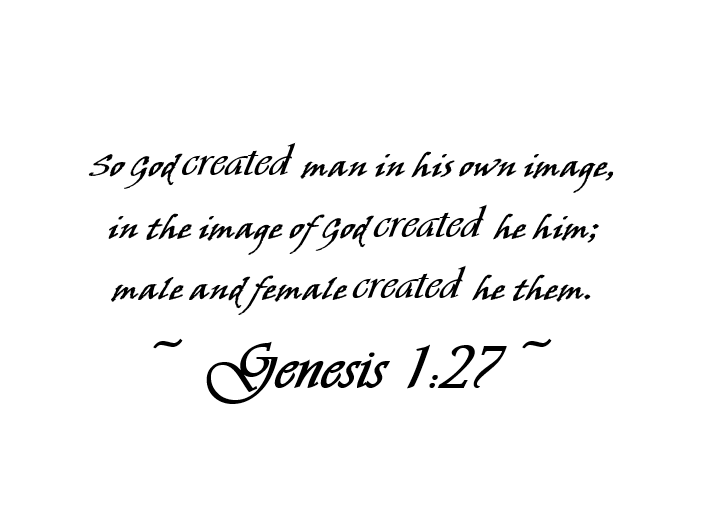
The Bible emphasizes the shared origin of all people, affirming their equality before God and their creation in His image (Genesis 1:27). - Sin and Redemption
The historical fall of Adam brought sin and death into the world, necessitating redemption through Jesus Christ, the “last Adam” (Romans 5:12–21; 1 Corinthians 15:22, 45). - God’s Sovereignty in Creation
While scientific findings continue to evolve, they often point toward the intricate design and order consistent with a Creator. This underscores the Biblical truth that “in the beginning God created the heaven and the earth” (Genesis 1:1).
The evidence for the historicity of Adam and Eve as the first human beings aligns with Biblical teaching and provides a foundation for understanding human origins, sin, and salvation. While genetic concepts like Mitochondrial Eve and Y-Chromosome Adam offer insights into human ancestry, they should be viewed through a Biblical lens that emphasizes divine creation and humanity’s shared need for redemption through Christ. Together, scripture and science affirm the profound unity and dignity of the human race, created in the image of God and united in His redemptive plan.
[1] Adapted from Geisler & Howe, The Big Book of Bible Difficulties, 1992, pp. 31-32