
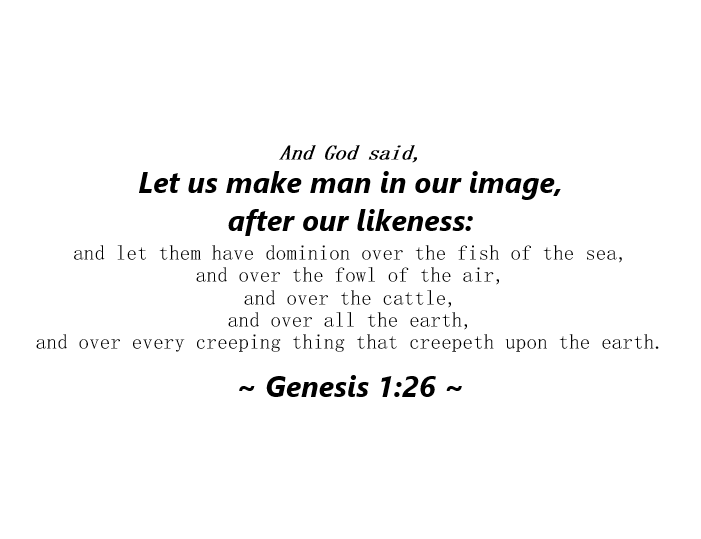
The Rosicrucian interpretation of Genesis 1:26 is deeply rooted in esoteric and mystical traditions. Emerging in the 17th century, Rosicrucianism represents a synthesis of Christian mysticism, Hermeticism, Neoplatonism, alchemical symbolism, and other esoteric philosophies. It reinterprets biblical texts through a lens that emphasizes spiritual enlightenment, hidden knowledge, and cosmic harmony.
Key Aspects of the Rosicrucian View
Esoteric Perspective on the “Image of God”
Rosicrucians interpret the “image of God” as a symbol of a divine spark or universal essence implanted within humanity. This divine spark establishes a metaphysical connection between humans and the transcendent realm, suggesting an innate unity with the divine. In this framework, “our image” represents the reflection of divine attributes, such as creativity, intellect, and the potential for spiritual growth. “Likeness” is seen as an aspirational goal, wherein humans strive to achieve spiritual perfection and divine unity through enlightenment, self-purification, and esoteric wisdom. The concept of the “image” is inherent, but the “likeness” is progressive, requiring active pursuit of hidden knowledge and alignment with divine truths.
This interpretation emphasizes humanity’s latent divinity and its capacity for spiritual transformation, often linking these concepts to alchemical metaphors of refining and perfecting the soul.
Interpretation of Plurality in “Let Us”
The phrase “Let us make man” in Genesis 1:26 is a significant element of Rosicrucian exegesis. Rosicrucians often reject traditional Christian doctrines, such as the Trinity, and instead interpret the plural “us” as indicative of divine emanations or manifestations arising from a singular, unknowable Source. This interpretation is closely aligned with Hermetic teachings, which depict the cosmos as an interconnected reality emanating from the One, a unified divine essence.
Additionally, Rosicrucians may view this phrase as a symbolic representation of a mystical dialogue within a divine hierarchy or cosmic order. In this framework, celestial beings or archetypal forces are thought to participate in creation as intermediaries or extensions of the divine will.
This interpretation diverges sharply from orthodox Christian theology, which emphasizes the distinct personhood and relational unity of the Father, Son, and Holy Spirit. By framing the divine as impersonal or pantheistic, the Rosicrucian perspective diminishes the personal nature of God as revealed in Scripture and the unique roles of the persons of the Trinity in creation.
Anthropocentric and Transformative View
Rosicrucianism places a profound emphasis on the transformative potential of humanity, portraying humans as more than created beings—they are co-creators who actively share in divine creative power. This perspective reflects an anthropocentric view, elevating humanity’s role in the universe as central and inherently significant.
At the heart of this interpretation is the belief in a “divine spark” within each person, a latent source of power and spiritual potential. This spark, according to Rosicrucian thought, can be awakened and cultivated through practices such as meditation, alchemical processes, and the study of esoteric knowledge. These practices aim to refine the individual and align them with universal truths.
Spiritual transformation, in this framework, is not a matter of external grace but a process of self-discovery and harmonization with the cosmic principles that govern existence. These principles, often encoded in Rosicrucian symbols and teachings, are seen as keys to unlocking higher states of consciousness and achieving unity with the divine.
Critique of the Rosicrucian Interpretation
Deviation from Biblical Monotheism
The Rosicrucian view diverges sharply from the monotheistic foundation of Scripture. The plural “Let us” in Genesis 1:26 is traditionally understood in Biblical theology as a reference to the Trinity—Father, Son, and Holy Spirit. This understanding upholds God’s singular essence while affirming the distinct persons of the Godhead. The Rosicrucian notion of divine emanations undermines this biblical truth by introducing ideas from Hermeticism and pantheism, which are foreign to the Bible.
Theological Concerns about the “Divine Spark”
The idea of a “divine spark” within humanity borrows heavily from Gnostic and Neoplatonic thought, both of which the early Church deemed heretical. Scripture teaches that humanity bears God’s image (Genesis 1:26-27) but does not ascribe intrinsic divinity to humans. Instead, humans are finite creatures, created in dependence on God. The Bible emphasizes that any restoration of God’s image marred by sin occurs through Christ alone (Colossians 3:10), not through esoteric knowledge or self-purification.
Spiritual Transformation Misconstrued
While the Bible affirms spiritual transformation, it attributes this work to the sanctifying power of the Holy Spirit, not human effort or secret knowledge. Passages like Romans 8:29 and 2 Corinthians 3:18 describe believers being conformed to the image of Christ through God’s grace. In contrast, the Rosicrucian emphasis on self-actualization and alignment with cosmic laws diminishes the sufficiency of Christ’s redemptive work and the role of faith.
Philosophical Underpinnings
The integration of Hermetic and mystical philosophies distorts the biblical narrative. By introducing foreign concepts like divine emanations, alchemical processes, and esoteric wisdom, the Rosicrucian view complicates and obscures the simplicity of the Gospel. The Bible’s message is one of grace and faith, accessible to all, rather than a secret path reserved for an enlightened few.
Comparison of Rosicrucian and Biblical Interpretations
| Aspect | Rosicrucian Interpretation | Biblical Interpretation |
| Image of God | A divine spark or essence connecting humanity to the transcendent realm. | Humans are made in God’s image, reflecting His attributes like reason and morality. |
| Likeness of God | A spiritual ideal achieved through enlightenment and self-purification. | Refers to the moral and spiritual resemblance, to be restored through sanctification. |
| “Let Us” (Plurality) | Indicates divine emanations or multiple aspects of the divine. | Refers to the plurality of the Trinity: Father, Son, and Holy Spirit. |
| Human Role | Co-creators with latent divine powers to awaken through esoteric practices. | Created beings meant to glorify God and exercise stewardship over creation. |
| Path to Fulfillment | Achieved through secret knowledge and alignment with cosmic laws. | Achieved through faith in Christ, salvation, and the work of the Holy Spirit. |
Summary of the Rosicrucian View
The Rosicrucian interpretation of Genesis 1:26 reflects an esoteric worldview that seeks to combine elements of Christian mysticism with Hermetic and Neoplatonic philosophies. It emphasizes the divine spark within humanity and humanity’s potential for spiritual transformation through hidden knowledge and cosmic alignment.
However, this interpretation significantly departs from the biblical message. The Bible presents humanity as uniquely created in God’s image to reflect His attributes and fulfill His purposes. Any restoration of the marred image due to sin is solely the result of God’s grace through Christ’s atoning work and the Holy Spirit’s transformative power.
The Rosicrucian emphasis on enlightenment and human potential undermines the biblical teaching of human dependence on God and the sufficiency of His grace. The biblical narrative offers a clear and accessible path to fulfillment through faith in Christ, highlighting the limitations of mystical reinterpretations.