
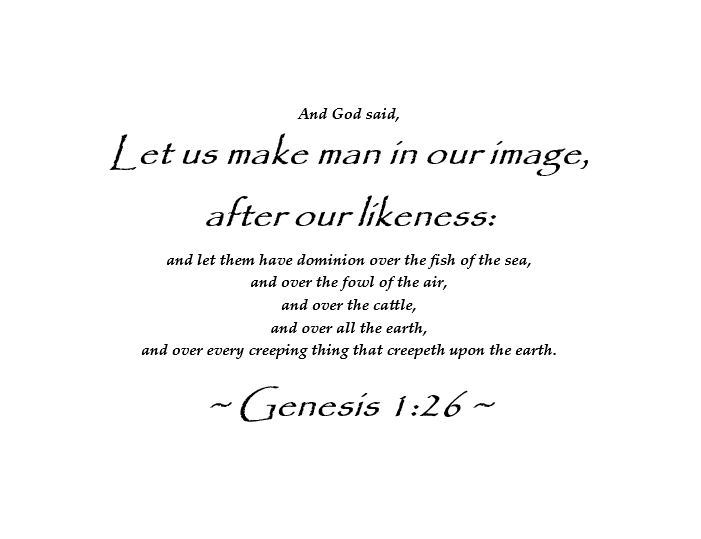
The Eastern Orthodox interpretation of the “image of God” in Genesis 1:26 shares similarities with the Roman Catholic perspective and aligns with Scripture in several important aspects. It affirms that humanity’s creation in the image of God confers inherent dignity and value upon every individual, reflecting the divine imprint on human nature. This view emphasizes that the “image of God” encompasses rationality, moral reasoning, and free will—qualities that reflect God’s attributes in finite ways.
Eastern Orthodoxy also highlights the Christocentric nature of the image, affirming that Jesus Christ is the perfect and ultimate expression of the image of God (Colossians 1:15). Humanity’s restoration to the image of God, distorted by sin, is achieved through Christ’s redemptive work. Furthermore, the Eastern Orthodox tradition emphasizes the essential role of divine grace in the process of restoration, demonstrating a profound commitment to the transformative power of God’s action in human life.
Theological Framework
Central to the Eastern Orthodox interpretation is a distinction between “image” and “likeness.” According to this view:
- The Image: Refers to the inherent qualities humans share with God, such as reason, free will, and the capacity for relationship with Him. This image is foundational and remains even after the Fall, though it is wounded.
- The Likeness: Represents the potential for humans to grow in holiness and become more like God through divine grace. Achieving likeness is seen as the ultimate goal of human existence.
This dynamic understanding of human nature forms the basis for the Orthodox concept of theosis (deification), a process where humans are transformed to share in the divine nature (2 Peter 1:4). Theosis involves a mystical and relational journey of growth in communion with God, where human beings increasingly reflect His attributes while retaining their distinctiveness as creatures.
While the Eastern Orthodox emphasis on humanity’s dynamic relationship with God is valuable, Scripture does not draw a sharp distinction between “image” and “likeness.” The terms appear synonymous in Genesis 1:26-27, both describing humanity’s original creation as reflective of God’s nature. A biblical understanding places greater focus on the restoration of the image through faith in Christ and the transformative work of the Holy Spirit. This process is framed within a forensic and covenantal framework, emphasizing justification by faith and sanctification as a Spirit-led transformation into Christ’s likeness (Romans 8:29).
Role of Theosis (Deification)
The doctrine of theosis is central to Eastern Orthodox theology. It teaches that humanity is called to participate in the divine life through grace, becoming “partakers of the divine nature” (2 Peter 1:4). This participation involves a mystical union with God, where believers are transformed into His likeness through grace, prayer, and sacramental life.
While the concept of becoming like God through sanctification is biblical (2 Corinthians 3:18), the Orthodox understanding of theosis introduces a mystical element that goes beyond the Scriptural framework. Biblically, sanctification is viewed as a moral and spiritual transformation into Christ’s image, accomplished through the Holy Spirit’s work in the believer’s life. The emphasis is on renewal and holiness rather than a mystical participation in the divine essence.
Effect of the Fall
The Eastern Orthodox view holds that the image of God in humanity was wounded but not destroyed by the Fall. Humans retain their capacity for reason, free will, and relationship with God, though these faculties are weakened. The “likeness,” however, is significantly distorted and requires healing through divine grace.
Scripture portrays the Fall as having profoundly marred the image of God in humanity. While certain aspects of the image, such as rationality and creativity, remain, every facet of human nature is corrupted by sin (Romans 3:10-12). Restoration is entirely dependent on divine intervention through Christ’s atoning work and the regenerating power of the Holy Spirit (Titus 3:5).
Means of Restoration
In the Eastern Orthodox tradition, restoration of the image and likeness occurs through participation in the sacramental life of the Church (baptism, Eucharist, confession, etc.), ascetic practices (prayer, fasting, almsgiving), and the indwelling of the Holy Spirit. Grace is understood as synergistic, requiring cooperation between human free will and divine action.
The biblical framework emphasizes that restoration occurs through faith alone in Christ. Sanctification is the outworking of God’s grace through the Holy Spirit, independent of sacramental rituals. Ephesians 2:8-9 underscores that salvation is “by grace through faith,” not dependent on human works or ecclesiastical practices. The Bible emphasizes the sufficiency of Scripture and the direct work of the Spirit in transforming believers into Christ’s image.
Nature of Salvation
Eastern Orthodoxy views salvation as a process of healing and growth in holiness, culminating in union with God through theosis. This process is lifelong and involves human cooperation with God’s grace.
Biblical teaching frames salvation in legal or forensic terms, focusing on justification by faith alone as a completed act. Sanctification is understood as a distinct, ongoing process but is not conceptualized in terms of theosis. Salvation is presented as a gift of God’s grace, achieved through Christ’s atoning work and received through faith (Romans 5:1-2).
Comparison of the Eastern Orthodox and Biblical Interpretations
| Aspect | Eastern Orthodox Interpretation | Biblical Interpretation |
| Image vs. Likeness | Distinct: image is foundational, likeness is goal | Likely synonyms |
| Restoration Focus | Theosis (union with God) | Justification and sanctification |
| Effect of the Fall | Image wounded, likeness distorted | Image deeply marred, needing renewal |
| Means of Restoration | Sacraments, synergy of grace and will | Faith alone, direct work of the Spirit |
| Salvation | Healing and union (theosis) | Justification and sanctification |
The Eastern Orthodox interpretation provides a rich theological perspective, emphasizing the transformative journey toward God’s likeness through theosis. However, its sacramental and synergistic framework introduces elements that differ from a biblical understanding of salvation and sanctification. Scripture emphasizes the sufficiency of Christ’s finished work, the immediacy of God’s grace through faith, and the sanctifying work of the Holy Spirit. Both perspectives affirm the centrality of Christ in restoring the image of God, yet they diverge significantly in their theological emphases and practical outworkings.