
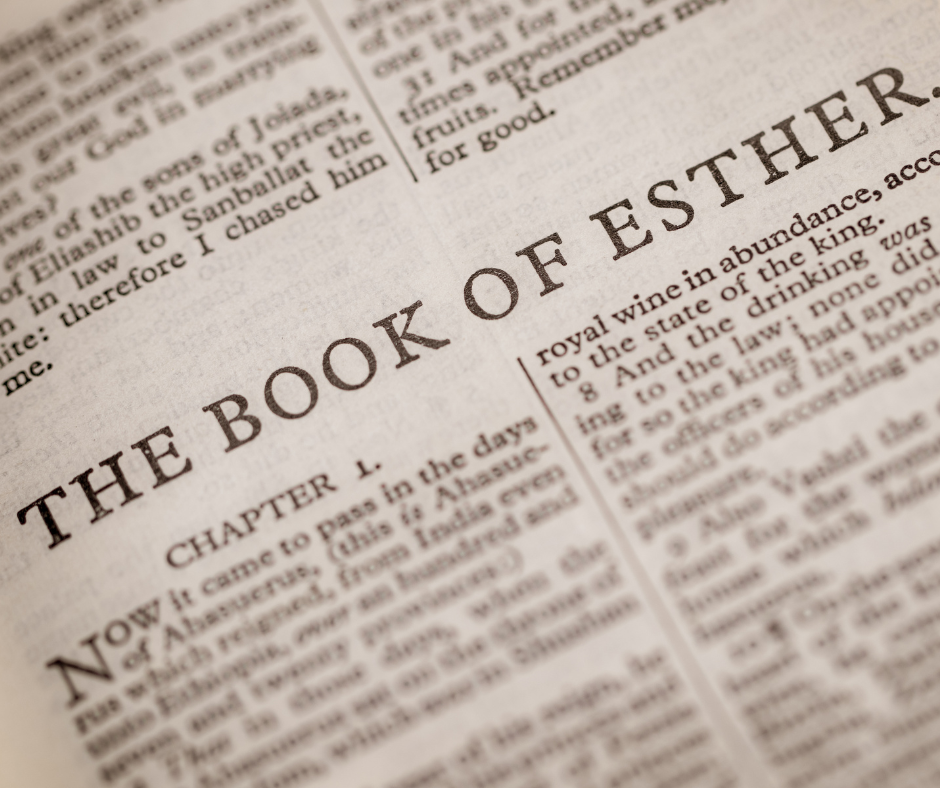
The book of Esther is a masterpiece of divine providence written in the language of human history. Unique among the books of the Bible, it never mentions the name of God, yet His presence saturates every page. Behind the lavish banquets of Persia, the political intrigues of courtiers, and the apparent coincidences of timing and circumstance, the unseen hand of the Almighty quietly governs all. What seems like chance—the beauty of a Jewish orphan, the sleepless night of a king, the reversal of an evil decree—becomes the canvas upon which God paints His sovereign deliverance. Esther thus proclaims a timeless truth: even when God appears silent, He is never absent.
I. Historical Setting
The events of Esther occur during the Persian period, between the first and second returns from exile—roughly 483–473 B.C.—under the reign of King Ahasuerus (Xerxes I). The Jewish people, though no longer captives, remained dispersed throughout the Persian Empire. Many, like Esther and her cousin Mordecai, chose to remain in foreign lands rather than return to Jerusalem. The story takes place in the royal citadel of Susa, where political opulence and moral decadence coexisted. Within this context, the Jewish people face an existential threat through Haman’s plot to annihilate them, a satanic attempt to extinguish the covenant line from which the Messiah would come.
II. Authorship and Date
The author of Esther is unknown, though Jewish tradition and internal evidence suggest it was written by a contemporary of the events, possibly Mordecai himself or a later scribe within his circle. The style and Persian vocabulary indicate a composition between 460 and 350 B.C., likely after the reign of Xerxes. The book’s historical accuracy—confirmed by Persian customs, court protocol, and geography—attests to firsthand knowledge of the empire’s inner workings.
III. Structure and Content
The narrative of Esther is exquisitely structured around a great reversal: a movement from peril to protection and from humiliation to honor. It may be divided into two main halves:
- The Threat to God’s People (Chapters 1–5):
- The Dismissal of Queen Vashti (1:1–22): Ahasuerus’s extravagant feast and Vashti’s refusal set the stage for Esther’s rise.
- Esther’s Ascension (2:1–23): A young Jewish woman, hidden in her identity, becomes queen by divine appointment.
- The Plot of Haman (3:1–15): Haman, enraged by Mordecai’s refusal to bow, schemes to exterminate all Jews throughout the empire.
- Esther’s Courageous Resolve (4:1–5:8): Mordecai challenges Esther to risk her life: “and who knoweth whether thou art come to the kingdom for such a time as this?” (4:14). Esther responds in faith, declaring, “If I perish, I perish.”
- The Triumph of God’s People (Chapters 6–10):
- The Turning Point (6:1–14): A sleepless king leads to a stunning reversal: Mordecai is honored, and Haman is humiliated.
- Deliverance and Judgment (7:1–9:19): Esther exposes Haman’s plot, and the decree of death is countered by a decree of deliverance. The Jews defend themselves and are victorious.
- The Feast of Purim (9:20–10:3): Mordecai institutes the feast of Purim as a perpetual memorial of God’s hidden deliverance.
IV. Themes and Theology
The theology of Esther unfolds subtly, not through overt divine acts but through providence and moral conviction. Its major themes include:
- The Providence of God: Though His name is never mentioned, His sovereignty is evident in every detail: timing, coincidences, and reversals all serve His redemptive plan.
- God’s Preservation of His People: The covenant promises to Abraham and David cannot fail; God protects His people even in foreign lands.
- The Reversal of Human Power: Pride exalts Haman and humbles Mordecai, but divine justice reverses their fortunes. “He putteth down one, and setteth up another” (Psalm 75:7).
- Courage and Obedience in a Hostile World: Esther’s willingness to risk her life models faithfulness amid cultural pressure and moral compromise.
- The Mystery of God’s Silence: The absence of God’s name invites readers to see His hand where He seems most hidden, a lesson for believers in times when heaven seems quiet.
V. Historical and Apologetic Considerations
Some critics have questioned Esther’s historicity due to the absence of explicit religious language. Yet archaeological and historical findings—from the royal splendor of Persepolis to the records of Xerxes’ reign—affirm the book’s cultural accuracy. Persian court customs, administrative decrees, and even the use of royal banquets align precisely with extra-biblical sources. Theologically, its omission of God’s name is not denial but design. It forces the reader to discern providence in the shadows, faith in the silence, and divine order amid apparent chaos.
VI. Christological Significance
Though God’s name is unspoken, His redemptive purpose echoes through Esther. The threat against the Jews foreshadows Satan’s ongoing war against the people from whom Christ would come. The deliverance wrought through Esther anticipates the greater deliverance accomplished by Christ, who interceded not at the risk of His life but at the cost of it. Esther’s mediation before the throne of Persia prefigures Christ’s intercession before the throne of God. Just as the feast of Purim celebrates the preservation of God’s people, the Lord’s Supper celebrates their eternal redemption.
VII. Practical and Devotional Application
For believers today, Esther speaks powerfully to life in a secular world where God’s presence is often unseen and His people marginalized. It teaches that divine providence is at work in the ordinary and the unseen; that courage, faith, and moral integrity still matter; and that even when God seems silent, His purposes are sure. Like Esther, we are called to stand where He has placed us “for such a time as this,” trusting that our lives are woven into a greater story of redemption.
VIII. Conclusion
In sum, Esther is a story of hidden sovereignty and revealed deliverance. It shows that God’s covenant care extends beyond the borders of Jerusalem into the courts of pagan kings. Through seeming coincidences, He preserves His people, keeps His promises, and turns mourning into joy. Though His name is never uttered, His fingerprints are everywhere. For every believer walking through seasons of silence, Esther whispers this unchanging truth: even when you cannot see Him, God is still at work, guiding history and guarding His own for such a time as this.