
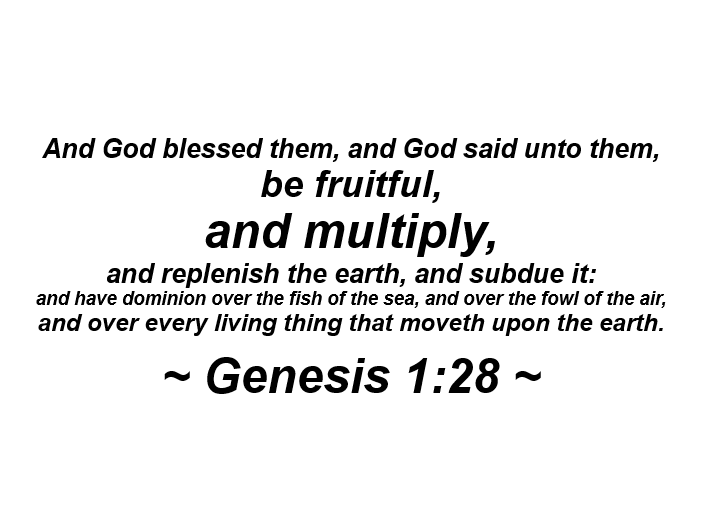
The early Church Fathers held a range of perspectives on human sexuality and reproduction, particularly as they related to the prelapsarian (pre-Fall) state of humanity (Oden, 2001, p. 37). Among these theologians, figures such as Augustine, Maximus the Confessor, and John of Damascus suggested that God’s command to “be fruitful and multiply” originally pertained to a state of innocence, where human reproduction would occur in a manner distinct from the sexual processes familiar to fallen humanity. This view often stemmed from the belief that Adam and Eve were intended to live as a virginal, sinless couple, and that sexual passion as we understand it was a consequence of the Fall, a product of humanity’s disordered relationship with creation and God.
For Maximus the Confessor and John of Damascus, the virginal ideal reflected their emphasis on humanity’s original harmony with God and the cosmos. Reproduction, in their view, would have been an entirely pure and peaceful act, free from the physicality and passions associated with post-Fall sexual union. These thinkers were influenced by a broader theological framework in which the Fall not only introduced sin but also disrupted the ideal order and relationships within creation.
Augustine initially shared a similar perspective. He speculated that reproduction in Eden might have been carried out in a way that avoided the physical passion and desire associated with human sexuality in the fallen world. However, as Augustine’s theology matured, he re-evaluated his understanding of sexuality and the human body in light of Scripture and reason. He came to affirm that sexual differentiation and union were part of God’s original design and were inherently good. He argued that God created humans male and female (Genesis 1:27) with the intent that they would come together as “one flesh” (Genesis 2:24). Augustine emphasized that while the Fall introduced disordered desires (concupiscence) and suffering, it did not render sexuality itself sinful. Instead, he distinguished between the good of God’s creation and the corrupting effects of sin, noting that even in its fallen state, human sexuality retained its divine purpose within the covenant of marriage.
This evolving theological discourse reflects the broader challenges faced by the early Church in reconciling human sexuality, the Fall, and God’s original design for creation. The notion that Adam and Eve were created as a virginal couple may have been influenced by the Church Fathers’ ascetic ideals, which often valued celibacy and virginity as higher spiritual states. However, Augustine’s more developed understanding offered a balanced affirmation of sexuality’s place within God’s good creation. By emphasizing that sexual differentiation and union were not consequences of sin but intrinsic to humanity’s design, Augustine reinforced the sanctity of marriage and the goodness of procreation as ordained by God.
This theological progression underscores the richness and complexity of early Christian thought. The discussions among the Church Fathers remain valuable for modern Christians as they navigate questions about the relationship between human nature, sin, and God’s redemptive plan. Augustine’s ultimate perspective highlights an important truth: even amidst the brokenness of a fallen world, God’s original design retains its goodness and points toward the restoration of creation through Christ.